
Calculating Toilets for Film Crews: The Basics
Film production is already a logistical feat without the added complication of inadequate toilet facilities. Yet, it's an issue often overlooked by those new to the industry. The number of toilets required depends on several factors, including crew size, duration of the shoot, and location. While no universal regulation dictates the exact number of facilities, guidelines can help avoid disgruntled crew and costly delays.
In the UK, the Health and Safety Executive (HSE) provides a useful benchmark. For construction sites, they recommend one toilet per seven workers for a 40-hour work week. This can be a starting point, but adjustments are necessary for film crews, whose circumstances can be markedly different. Film shoots often run long hours, and the crew size can fluctuate dramatically, meaning a more nuanced approach is essential.
Let's not forget the importance of accessibility. Ensuring that at least one toilet is wheelchair accessible is not just good practice but a legal requirement under the Equality Act 2010. A film set is a workplace, and employers have a duty to make reasonable adjustments for disabled employees.
Factors Influencing Toilet Requirements
While crew size is the most apparent factor, several others play a crucial role in determining toilet needs. First, consider the location. Urban shoots might have access to existing facilities, while remote or outdoor sets will require entirely portable solutions. Then there's the shoot duration. A single-day commercial shoot will have vastly different needs compared to a multi-week feature film.
Gender balance also influences requirements. Mixed-gender crews may need a higher ratio of facilities to avoid queues, as women's toilets often experience longer wait times. Additionally, the nature of the production can dictate needs. High-intensity action scenes with a large cast and crew will necessitate more breaks, thereby increasing toilet demand.
Environmental considerations should not be overlooked. Portable toilets need regular servicing to maintain hygiene, especially in warm weather. Weekly servicing might suffice for small operations, but larger or longer shoots could need more frequent attention. Neglecting this aspect can lead to unsanitary conditions, which is a sure way to demoralise a crew and potentially breach health and safety regulations.
Practical Recommendations for Different Scenarios
For a film crew of up to 50 people on a short shoot, a minimum of 4-5 toilets is advisable. This ensures that no one is left waiting and that facilities remain clean throughout the day. If the crew size increases to 100, doubling the number to 8-10 toilets is prudent. For larger productions, especially those running for several weeks, a dedicated welfare unit with showers and changing facilities should be considered.
In the case of remote locations, additional considerations come into play. Transporting and servicing portable toilets can be logistically complex and costly, so planning is paramount. Hiring a reputable company with experience in supporting film shoots can mitigate these challenges.
For shoots extending beyond a week, an interim review of requirements is sensible. Consult with heads of department and the production manager to assess whether the facilities are meeting the crew's needs, and be prepared to adjust numbers accordingly. This proactive approach can prevent minor inconveniences from escalating into major disruptions.
Legal Considerations and Compliance
Ignoring legal requirements for toilet facilities can lead to significant repercussions, not least of which are fines and reputational damage. The Workplace (Health, Safety and Welfare) Regulations 1992 mandate adequate and suitable toilet and washing facilities for all employees. While film sets are unique environments, they are not exempt from these regulations.
It's crucial to keep abreast of any local council requirements, especially for shoots on public property. Some councils may have additional stipulations or require permits to place portable toilets on site. Non-compliance can result in hefty fines or even the shutdown of a shoot, which is a risk no production can afford.
Moreover, maintaining proper hygiene standards is paramount. This includes supplying enough handwashing facilities, which should ideally be situated adjacent to the toilets. In the wake of recent global health concerns, ensuring that facilities are well-stocked with soap and sanitiser is more critical than ever.
Hygiene and Operational Efficiency
The cleanliness of toilet facilities is non-negotiable, regardless of the shoot's scale. Poorly maintained toilets can quickly become a breeding ground for germs, leading to illness that can decimate a crew's numbers. Regular servicing is non-optional, and a well-organised schedule is essential to ensure facilities remain up to scratch.
Consider employing an on-site cleaner for large productions. This individual can ensure that toilets are regularly checked, cleaned, and restocked, which prevents issues before they arise. For smaller shoots, regular checks by the production assistant may suffice.
Additionally, signage can go a long way in maintaining order. Clear instructions on hygiene practices, such as proper handwashing techniques, can help prevent the spread of germs. A little preventative action is far preferable to managing an outbreak of illness on set.
Conclusion: Balancing Needs and Costs
Ultimately, the number of toilets a film crew needs is a balancing act between operational requirements and budget constraints. Skimping on facilities might save money in the short term, but is likely to incur higher costs through delays and crew dissatisfaction. Conversely, over-provisioning can waste resources that could be deployed elsewhere.
The key is to assess each production's specific needs carefully, taking into account all influencing factors. Flexibility and responsiveness to changing circumstances are vital. By approaching toilet provision with the same rigour as other logistical aspects, production managers can ensure a smooth shoot, keeping both crew and accountants content.
How Chelford Mobile Services Can Help
Navigating the logistical maze of film production is no small feat, and ensuring adequate toilet facilities is a key piece of that puzzle. Fortunately, Chelford Mobile Services (CMS) is well-positioned to address these challenges with precision and reliability. As a family-run business based in Chelford, Cheshire, CMS offers a level of personal attention and dedication that larger, faceless corporations often cannot match.
One of the first hurdles in film production is ensuring that the toilet facilities align with crew size and shoot duration. CMS owns every unit in its fleet, thus eliminating the uncertainties that come with subcontractors or brokers. This autonomy allows CMS to guarantee the availability and quality of their units, giving production managers one less thing to worry about. Their fleet covers nine counties, including Cheshire, Greater Manchester, and North Wales, making them a convenient choice for productions across the North West, Midlands, and North Wales.
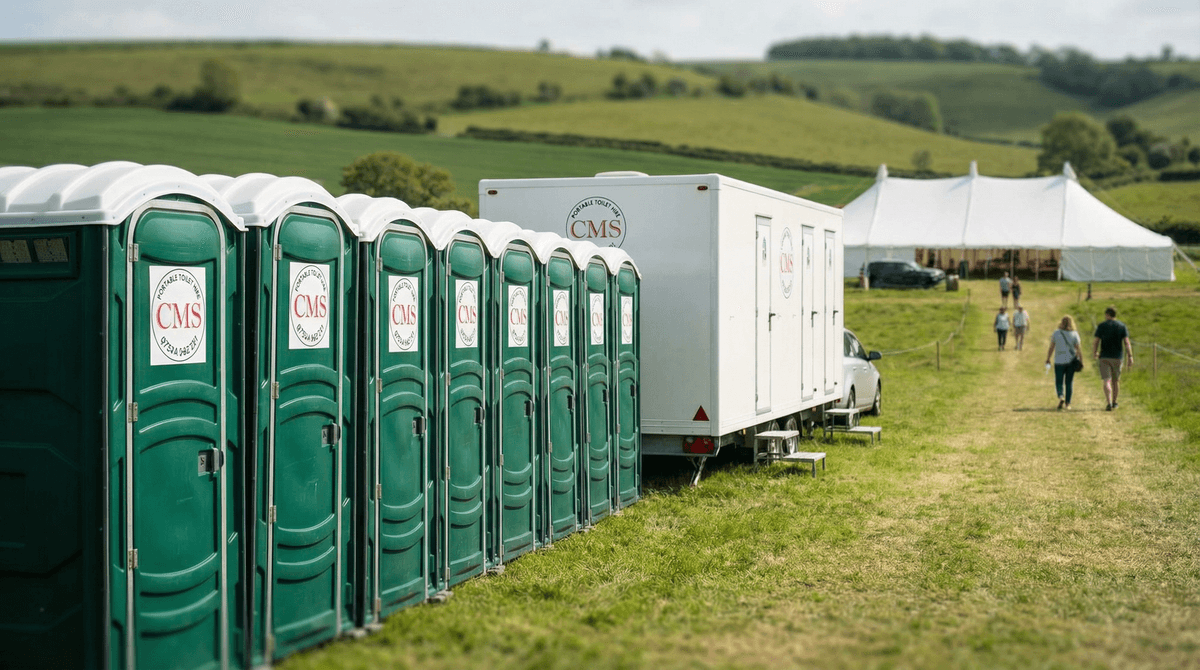
In terms of operational specifics, CMS offers a comprehensive range of services tailored to meet varying production needs. Whether it's standard portable toilets for a small shoot or luxury toilet trailers and welfare units for a larger, more demanding set, CMS has it covered. They also provide shower trailers and portable urinals, catering to the needs of diverse production environments. Importantly, CMS includes weekly servicing in every hire, with service logs meticulously documented to ensure accountability and transparency. This routine maintenance is crucial in maintaining hygiene and operational efficiency, particularly in warm weather when conditions can quickly deteriorate.
Accessibility is another area where CMS excels, offering accessible toilets that comply with the legal requirements under the Equality Act 2010. This commitment ensures that all crew members, regardless of their mobility needs, have access to the necessary facilities. It’s worth noting that this isn't just a legal box-ticking exercise for CMS but a genuine commitment to inclusivity and accessibility.
For productions in remote locations, where logistical challenges multiply, CMS's experience in the field becomes invaluable. Transporting and servicing portable toilets in such settings can be a daunting task, but CMS's direct employment of all drivers and service crews means there is no reliance on third parties. This ensures that the facilities arrive on time and are serviced efficiently, which can prevent costly delays and disruptions on set.
Another critical factor is the flexibility CMS offers. Film productions are dynamic, and crew sizes can swell unexpectedly. CMS understands this and offers the adaptability needed to respond to changing requirements. Whether you find the initial provision inadequate or need to scale down after a location change, CMS can adjust the number of units swiftly and without fuss.
Moreover, CMS’s commitment to hygiene extends beyond regular servicing. The company provides clear instructions and signage for maintaining cleanliness, which helps in preventing the spread of illness on set. This proactive approach ensures that facilities remain sanitary and functional, keeping the crew healthy and the production on schedule.
Finally, with a straightforward and hassle-free booking process, CMS offers a free quote service via phone or their contact page. This simplicity is a breath of fresh air for production managers juggling multiple logistical concerns.
In conclusion, Chelford Mobile Services provides more than just toilets—they offer peace of mind. By attending to the practical and legal considerations outlined earlier, CMS ensures that your film production is supported by facilities that are not only adequate but exemplary. With their family-run ethos, local expertise, and operational efficiency, CMS stands out as a trusted partner in the unpredictable world of film production logistics. For those seeking to keep both crew morale high and productions running smoothly, Chelford Mobile Services is a sensible choice.