The Realities of Construction Site Sanitation
Sanitary facilities on construction sites are not just a regulatory necessity; they are a practical imperative. The choice between mains-connected and chemical toilets can significantly impact operational efficiency and worker satisfaction. While some may see this as a minor logistical concern, seasoned site managers know that inadequate sanitation can derail projects faster than you can say "Health and Safety Executive". The stakes are high, and the decisions are many.
Mains-Connected Toilets: The Gold Standard?
On paper, mains-connected toilets appear to be the superior choice. They offer a level of comfort and hygiene akin to a typical domestic bathroom, complete with running water, flush mechanisms, and proper sewage disposal. There's no denying that these facilities can boost morale on site, potentially increasing productivity as workers feel more valued and comfortable. However, the reality of construction sites is rarely straightforward.
Mains-connected toilets require a stable water supply and a connection to a sewage system, conditions that are not always feasible, especially on remote or temporary sites. Installation can be costly and time-consuming, involving permissions, groundwork, and potentially disruptive construction work. Moreover, these facilities are stationary and lack the flexibility needed to adapt quickly to changing site layouts or phases of work.
Chemical Toilets: Pragmatic and Flexible
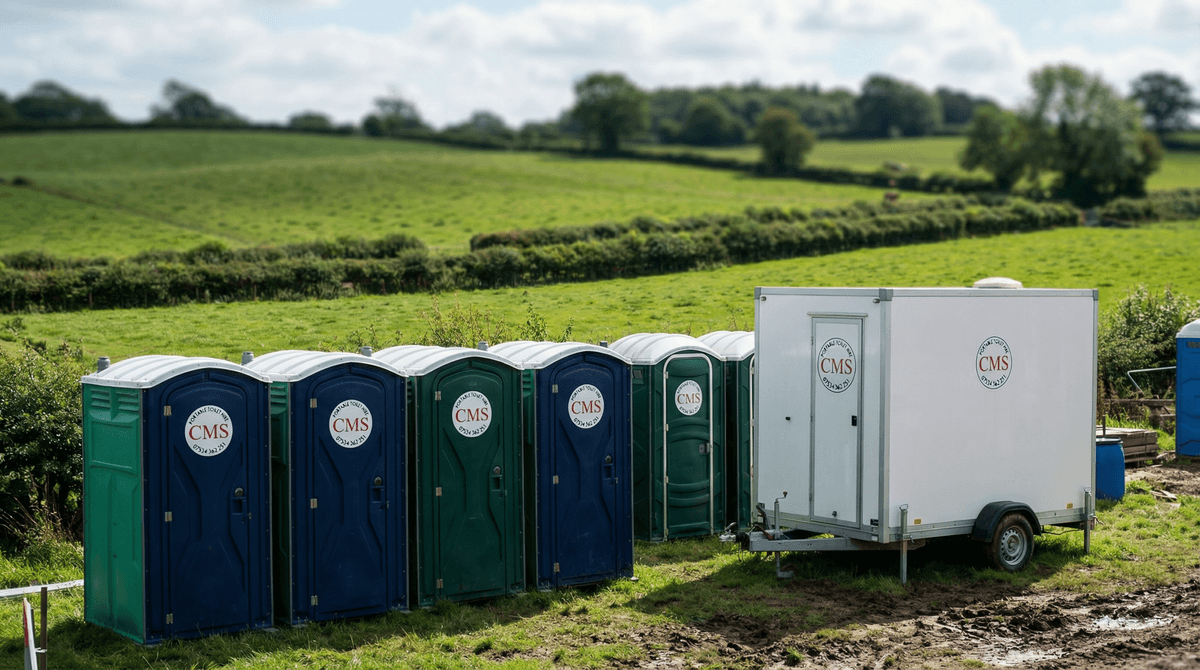
Chemical toilets, often the unsung heroes of construction sites, offer a practical solution where mains connections are unviable. These units are entirely self-contained, requiring no water supply or sewage connection. They use chemical solutions to break down waste and control odours, providing a surprisingly hygienic option when serviced regularly.
The portability of chemical toilets is a significant advantage. They can be relocated as site layouts change, and their installation is as simple as delivering them to the desired location. Maintenance is straightforward, with regular servicing schedules easily arranged to ensure they remain clean and operational. While they may lack the comforts of their mains-connected counterparts, their flexibility often outweighs this downside.
Compliance and Regulatory Considerations
The Construction (Design and Management) Regulations 2015 have made it clear: compliance is non-negotiable. Schedule 2 mandates adequate welfare facilities, including toilets, for all workers. The choice of toilet must meet these legal requirements, ensuring access, hygiene, and privacy.
Mains-connected toilets naturally align with these regulations, often exceeding the minimum standards. Chemical toilets, however, can also meet compliance standards if correctly managed. Regular servicing and adequate numbers to prevent queues are critical factors. It’s essential to consider not just the quantity but also the quality and upkeep of facilities to avoid falling foul of inspectors.
Cost Implications: Weighing the Financials
When budgeting for sanitary facilities, it’s crucial to look beyond the initial outlay. Mains-connected toilets often entail significant upfront costs, from installation to monthly water and sewage charges. However, they may prove more cost-effective in the long term on large, extended projects due to lower ongoing maintenance needs.
Conversely, chemical toilets involve lower initial costs and flexible rental agreements, allowing for scalability in line with project demands. Servicing fees must be factored into ongoing costs, but these are generally predictable and manageable. For short-term or smaller projects, chemical toilets often provide the best value for money, avoiding the sunk costs and logistical challenges of installing mains services.
Worker Satisfaction: The Human Factor
Ultimately, the decision on sanitation facilities must consider the human element. The comfort and convenience of workers cannot be underestimated, as these directly influence morale and productivity. Mains-connected toilets are preferable where feasible, offering a familiar and comfortable environment.
However, well-maintained chemical toilets, strategically placed and regularly serviced, can also meet workers’ needs. Providing adequate handwashing facilities alongside chemical toilets can enhance hygiene and user satisfaction. Consultation with the workforce can offer insights into preferences and ensure the chosen facilities adequately meet expectations.
Making the Decision: What’s Right for Your Site?
Determining the best option between mains-connected and chemical toilets requires a thorough assessment of your site’s specific needs. Consider the site location, duration, budget, and workforce size. Evaluate the feasibility of installing mains-connected systems against the flexibility and practicality of chemical toilets.
In practice, many sites may benefit from a combination of both. Mains-connected toilets can serve as the primary facility, with chemical toilets providing supplementary capacity during peak periods or serving remote areas of the site. This hybrid approach ensures compliance, maintains worker satisfaction, and optimises costs.
In sum, the choice between mains-connected and chemical toilets is not merely a logistical decision but a strategic one. By weighing the operational realities against regulatory demands and financial constraints, site managers can ensure their projects remain on track, compliant, and humane.
How Chelford Mobile Services Can Help
When it comes to navigating the labyrinth of site sanitation choices, Chelford Mobile Services (CMS) stands as a beacon of reliability and pragmatism. Operating out of Chelford, Cheshire, this family-run business has carved out a reputation across nine counties, including Cheshire, Greater Manchester, and North Wales, for providing precisely what construction sites need without the usual song and dance.
The CMS approach is rooted in ownership and accountability. Unlike many in the industry who rely on subcontractors or brokers, CMS owns every single unit in their fleet. This means no middlemen to muddy the waters and no subcontractors who might drop the ball. Every driver and service crew member is directly employed by CMS, ensuring a consistent level of service and a direct line of accountability. It’s a model that eschews the smoke and mirrors often seen in the industry, focusing instead on tangible, reliable outcomes.
For sites debating the merits of mains-connected versus chemical toilets, CMS offers a straightforward solution. With their extensive fleet, they can provide both types of facilities, allowing for a hybrid approach that many sites find optimal. The fleet includes not only standard portable toilets but also luxury toilet trailers, shower trailers, welfare units, portable urinals, and accessible toilets. This comprehensive range ensures that whether your site is a sprawling development or a compact urban plot, there’s a suitable option available.
The weekly servicing included with every hire is not just a promise; it's a guarantee backed by meticulous service logs. This regular maintenance is critical when it comes to chemical toilets, ensuring they remain hygienic and fully operational. CMS understands that compliance with the Construction (Design and Management) Regulations 2015 is non-negotiable. Their servicing schedules are designed to meet these regulatory requirements head-on, maintaining both the quantity and quality of facilities to keep inspectors at bay and workers content.
Budgeting for sanitation facilities is often more complex than it appears at first glance. With CMS, the financials are transparent and manageable. They offer flexible rental agreements that can adapt to the ebb and flow of project demands, especially useful for short-term or smaller projects where chemical toilets may offer the best value. For larger, longer-term projects, their capability to install and service mains-connected toilets provides a cost-effective solution without the prohibitive initial outlay that often accompanies such options.
Crucially, CMS understands the human factor at play. They recognise that well-serviced facilities are not just about ticking a compliance box but about maintaining worker morale and, by extension, productivity. By offering consultation services, CMS ensures that the chosen facilities align with worker preferences, fostering an environment where people feel valued and respected.
For those overseeing projects with challenging logistical considerations, CMS's geographic reach is an asset. Covering counties from Staffordshire to Merseyside, their ability to provide consistent service across a wide area is invaluable. This regional breadth means no site is too remote, and every site can expect the same high standards of service.
In summary, Chelford Mobile Services represents not just a supplier, but a strategic partner in site sanitation management. Whether you’re grappling with the decision between mains-connected and chemical toilets or simply need a reliable provider that won’t let you down, CMS offers a solution grounded in operational reality and tailored to the specific needs of your site. For a free quote, which is refreshingly devoid of hidden costs, call 07534 362 251 or visit their contact page. In a sector where promises are plenty, CMS delivers results, ensuring your project remains compliant, efficient, and, most importantly, humane.