
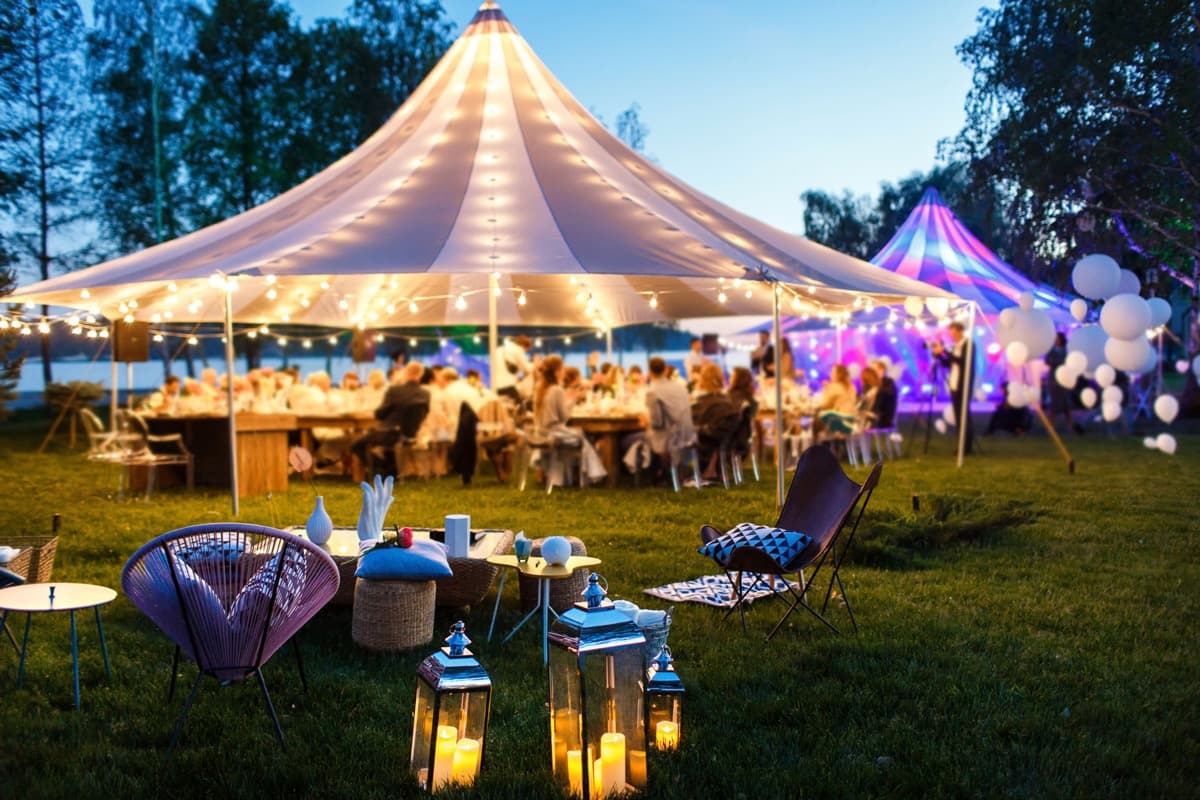
Farm weddings and barn venue celebrations have become one of the most popular choices for couples who want character, space, and the freedom to create something personal. Rustic beams, open countryside, and the charm of a working or converted farm — it is easy to see the appeal.
What is less immediately obvious is the toilet provision. Most farm and barn venues have limited permanent facilities, and some have none at all outside the main building. Here is how to plan the toilet hire for a farm or barn wedding.
---
Why Farm and Barn Venues Need Portable Toilets
Limited Permanent Facilities
A converted barn might have one or two toilets in the main building. A working farm might have a single facility used by the farm team. Neither is adequate for a wedding of 80-200 guests, particularly when a free bar is involved.
Venue Layout
Farm weddings often spread across multiple areas — a ceremony space in one field, a reception in the barn, drinks on the lawn, dancing in a separate space. The distance between these areas and the nearest permanent toilet can be significant.
Duration
Farm weddings tend to be all-day celebrations. A ceremony at 2pm followed by dinner, speeches, evening party, and dancing until midnight means 8-10 hours of continuous use.
Guests and Expectations
Wedding guests expect a standard of facility that matches the overall event. A beautifully decorated barn with wildflowers, candlelight, and a stunning meal deserves better than a trek across a muddy farmyard to a single bathroom.
---
What to Hire
Luxury Toilet Trailers
The standard choice for farm and barn weddings. A luxury trailer provides:
- Flushing toilets with ceramic-effect or porcelain fittings
- Hot and cold running water at individual basins
- Mirrors, lighting, and climate control
- An interior that complements rather than contradicts the wedding atmosphere
Configurations:
- 2+1: 2 female cubicles, 1 male cubicle plus urinal (up to 80 guests)
- 3+1: 3 female, 1 male plus urinal (80-130 guests)
- Larger trailers or double provision: For weddings of 130+ guests
Standard Portable Toilets
Use as supplementary provision:
- Near the car park for arriving and departing guests
- For suppliers, caterers, and band
- As overflow for the evening party when additional guests arrive
Accessible Units
Essential. At least one accessible unit should be included in every farm wedding toilet plan. Farm settings can be challenging for wheelchair users — ensure the approach is on firm, level ground.
---
Farm-Specific Challenges
Access Roads
Farm lanes are often narrow, unmade, and unsuitable for large vehicles. Before booking:
- Measure gate widths (minimum 3m for most trailer deliveries)
- Check for overhead obstructions (low branches, wires)
- Assess road surface — a heavy delivery vehicle on a soft track will cause ruts
- Confirm turning circles and reversing room
- Consider whether boards or temporary road matting are needed
Power
Many farm venues do not have mains power at the location where the toilet trailer will be positioned. Options:
- Mains extension from the barn or farmhouse (distance may be a limiting factor)
- Generator — silenced models are available to avoid noise disruption
- Confirm the power requirement with your hire provider (typically 16-amp)
Water
- Some trailers carry onboard water tanks (200-500 litres)
- Mains water may be available from a farm tap or standpipe
- A water bowser can supplement for larger weddings
- Confirm what is available at the specific toilet location, not just at the farm in general
Ground Conditions
Farmyards and fields present variable ground conditions:
- Cobbled farmyards: firm but potentially uneven
- Grass fields: firm in dry weather, muddy after rain
- Earth or gravel: may need boarding under the trailer
Always plan for rain. Even in summer, a British farm wedding should have trackway or matting on the approach to the toilets. The cost is modest; the benefit is significant.
Livestock and Hygiene
If the farm is working (or has been recently), there may be livestock nearby. This creates:
- Odour considerations — position the toilet area away from livestock sheds and muck heaps
- Hygiene considerations — ensure hand-washing facilities are available, particularly if guests have been near animals
- Flies — more prevalent near livestock in summer. Position the toilet area at a distance.
---
Placement
The Ideal Position
- Within a 1-2 minute walk of the barn or reception area
- On firm, level ground
- Downwind of the event and food service
- Screened by barn walls, hedging, or temporary screens
- Near a power source (if using a luxury trailer)
- Accessible for the delivery vehicle
Screening
Farm settings offer natural screening opportunities:
- Stone walls, hedgerows, and barn walls
- Temporary wattle or willow fencing
- Hay bales (though these can attract insects and become damp)
- Fabric draping on a rustic frame
The Approach
- Festoon lights or lanterns along the path — these suit the farm aesthetic perfectly
- A well-defined path on firm ground or matting
- Clear signage that matches the wedding stationery or theme
- A covered walkway or temporary canopy if rain is forecast
---
Costs
| Item | Typical Cost |
|------|-------------|
| Luxury toilet trailer (2+1, weekend) | £500-800 |
| Luxury toilet trailer (3+1, weekend) | £800-1,300 |
| Standard portable toilet (weekend) | £80-120 |
| Accessible unit (weekend) | £80-150 |
| Generator (silenced) | £100-250 |
| Water bowser | £50-150 |
| Trackway/matting | £50-200 |
Total cost for a typical 100-guest farm wedding: £700-1,500.
---
Timing
- Book 6-12 months ahead for peak summer Saturdays
- Delivery the day before the wedding — allows time for setup, testing, and dressing the approach
- Collection the day after — confirm timing with the hire provider and the farm
Coordinate with the Farm
Farms are working environments. Coordinate delivery and collection with the farmer:
- Avoid delivery during milking, feeding, or other essential farm operations
- Confirm that gates will be open and access routes clear
- Discuss any restrictions on vehicle weight, size, or timing
---
Servicing and Maintenance
Before the Wedding
The trailer should be delivered fully serviced. On the day before the wedding:
- Check all toilets flush and lights work
- Confirm hot water is functioning
- Ensure consumables are fully stocked
- Test the heating (essential for spring and autumn weddings)
During the Wedding
Assign someone to check the facilities every 1-2 hours:
- Restock toilet paper, soap, and towels
- Wipe down mirrors and surfaces
- Empty any waste bins
- Report problems immediately
For weddings over 150 guests, an on-site attendant is recommended.
---
Checklist
- Guest count confirmed (daytime and evening)
- Trailer size selected
- Accessible unit included
- Access route confirmed — lane width, gate width, overhead clearance, ground condition
- Power arrangements confirmed — mains extension or generator
- Water arrangements confirmed — onboard tank, mains tap, or bowser
- Placement location agreed with the farm
- Ground protection planned — trackway, matting, boards
- Screening arranged — walls, hedging, temporary fencing
- Pathway lighting planned — festoon, lanterns, solar stakes
- Delivery confirmed for the day before, coordinated with the farm
- Collection confirmed for the day after
- Person assigned to monitor during the event
- Spare supplies on site
- Weather contingency in place
A farm wedding is personal, charming, and full of character. The toilet provision should match that character — well planned, thoughtfully positioned, and quietly excellent.