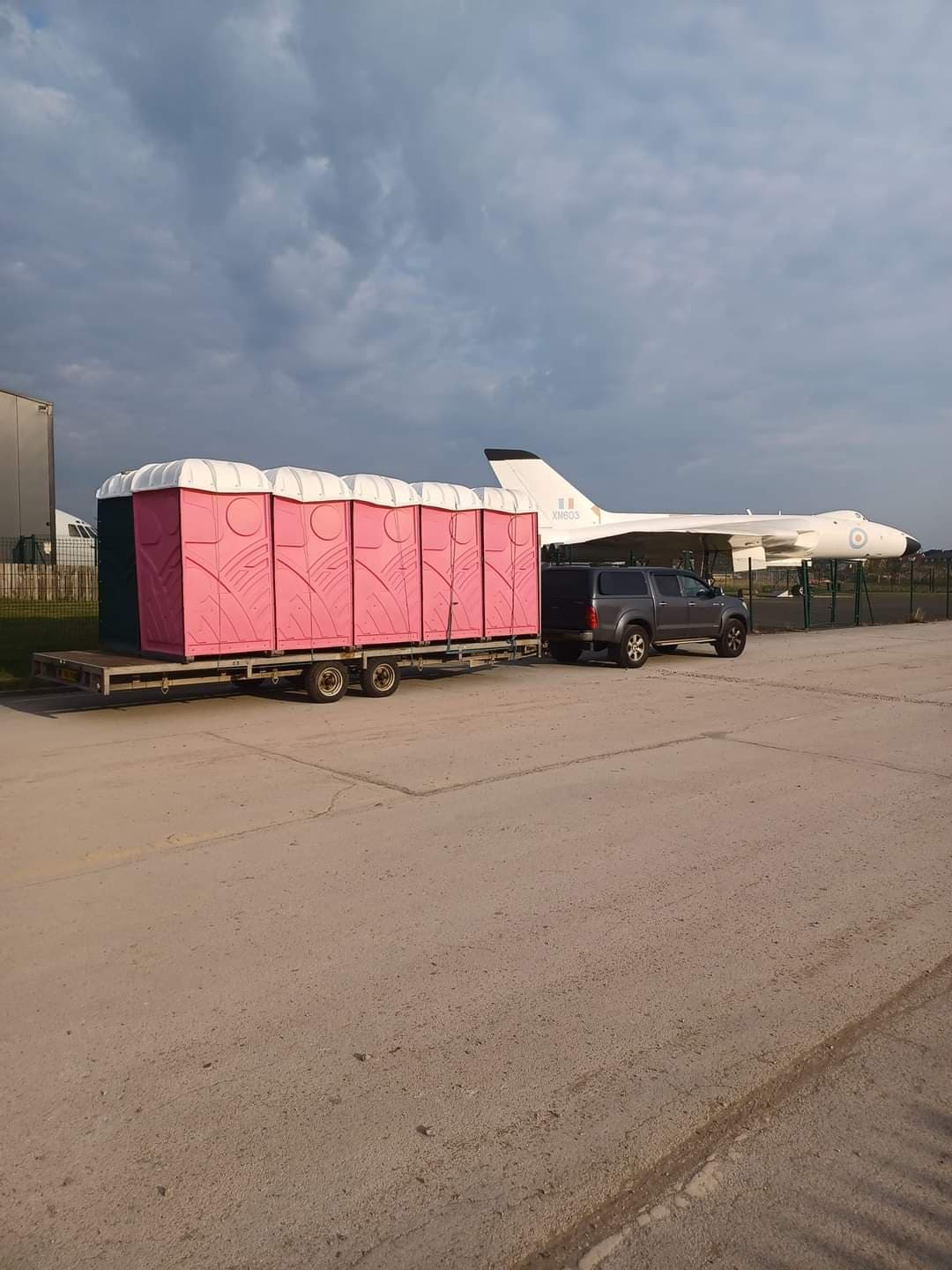
When it comes to film and TV productions, location managers have the unenviable task of ensuring everything runs smoothly behind the scenes. From securing locations to managing logistics, it's not just about what happens in front of the camera. One critical yet often overlooked element is the provision of adequate sanitation facilities. Enter the humble portable toilet—a seemingly mundane detail that can make or break a production's on-site efficiency and morale.
The Underrated Role of Portable Toilets
In the grand scheme of film and TV production, portable toilets might not be the most glamorous component, but they are undoubtedly crucial. A lack of proper sanitation can lead to disgruntled cast and crew, not to mention potential breaches of health and safety regulations. Location managers must ensure that are not only available but also strategically placed and properly maintained throughout the shoot.
Assessing Your Needs
Before hiring portable toilets, it's essential to assess the specific needs of your production. Several factors determine the number and type of units required:
- Crew Size: A larger crew inevitably means more toilets. The general rule of thumb is one toilet for every ten people over an eight-hour day.
- Duration: The length of your shoot will impact the frequency of servicing needed to keep the facilities clean and operational.
- Location: Remote or urban, the setting of your production will influence access to utilities and the type of portable toilets that can be deployed.
- Budget: As with all things in production, budget constraints will play a role. Balancing cost with necessity is key.
Types of Portable Toilets
Not all portable toilets are created equal. Understanding the different types available can help you make informed decisions:
- Standard Units: Basic, no-frills toilets ideal for short-term use and smaller budgets. They offer just the essentials and are easy to set up.
- Luxury Units: For higher-end productions or important shoots, luxury trailers offer additional comforts such as flushing toilets, sinks, and even climate control.
- Accessible Units: These are essential if you have crew or cast members with disabilities. They offer more space and handrails for ease of use.
- Eco-Friendly Units: With increasing emphasis on sustainability, eco-friendly composting toilets are becoming more popular. They don't require water or chemicals, reducing environmental impact.
Logistics and Placement
Once you've determined the type and number of toilets required, it's time to consider logistics. The placement of portable toilets can significantly impact their utility and the overall flow of the production.
- Proximity: Toilets should be conveniently located but discreetly placed so as not to intrude on the shooting area.
- Access: Ensure easy access for servicing vehicles, especially if the location is remote. Regular servicing is vital to maintain hygiene standards.
- Terrain: Consider the ground surface where the toilets will be placed. Uneven or muddy terrain can make placement and access challenging.
Compliance and Health Standards
Compliance with health and safety standards is non-negotiable. Location managers must ensure that the hired portable toilets meet all local regulations. This includes adequate handwashing facilities, ventilation, and waste disposal methods. A reputable portable toilet hire company will provide toilets that comply with these standards, but it's always wise to double-check.
Service and Maintenance
Hiring portable toilets is not just a matter of dropping them off and picking them up. Regular servicing and maintenance are crucial to ensure they remain usable and hygienic throughout the shoot.
- Frequency: Depending on usage, toilets should be serviced at least once a week. High-traffic productions may require more frequent attention.
- Cleaning: Thorough cleaning is essential to prevent odours and maintain a pleasant environment for your crew.
- Supplies: Ensure that the units are consistently stocked with toilet paper, hand sanitiser, and other necessary supplies.
Budgeting and Cost Control
While no one wants to overspend on toilets, skimping on sanitation can lead to bigger issues. When budgeting, consider all potential costs:
- Hire Costs: This will vary based on the number and type of units, duration of hire, and location.
- Servicing Fees: Regular maintenance is often an additional cost. Be clear on what's included in the hire agreement.
- Transportation: Delivery and pick-up charges can vary, especially for remote locations.
Choosing the Right Supplier
Not all portable toilet suppliers are equal. When selecting a supplier, consider:
- Reputation: Seek out companies with a proven track record in servicing film and TV productions. They will understand the unique pressures and demands of the industry.
- Flexibility: Look for suppliers who can adapt to changing schedules and needs—something that's all too common in the production world.
- Reliability: Ensure they have a strong record for on-time delivery and servicing. A delayed toilet can cause unnecessary headaches.
In conclusion, while portable toilets may not be the star of the show, their role in ensuring a smooth and efficient production is undeniable. By considering the needs of your crew, understanding the types of units available, and choosing a reliable supplier, location managers can keep this aspect of the production running seamlessly. It might not win you a BAFTA, but it will certainly earn you the gratitude of everyone on set.