
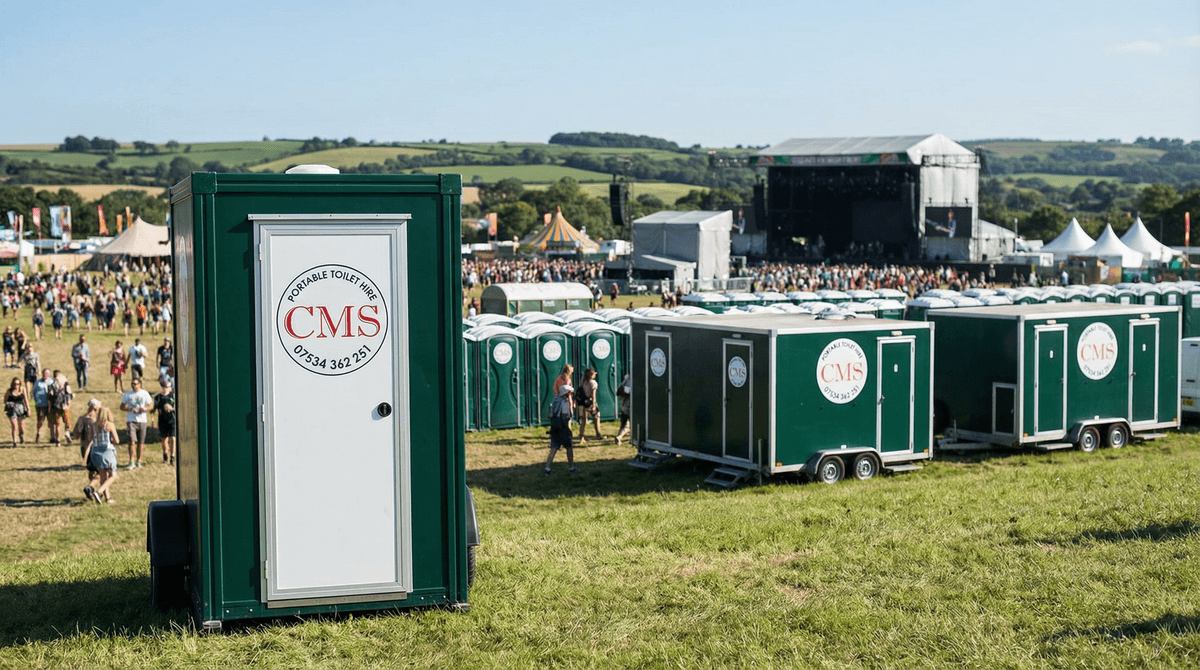
Festivals push sanitation infrastructure to its limits. Thousands of people, multiple days, mud, heat, alcohol, and late nights create conditions that are far removed from a quiet construction site or a village fete. Shower provision at festivals is not a luxury — it is a hygiene necessity and, increasingly, a commercial expectation.
Festival-goers now expect showers. Glamping ticket holders demand them. And even general admission campers will pay for a hot shower if one is available. This guide covers the practical and commercial aspects of shower trailer hire for festivals.
Why Festivals Need Shower Trailers
Hygiene Over Multiple Days
A three-day festival without shower facilities is uncomfortable. A five-day festival without them is genuinely unpleasant. Sustained physical activity, dust, mud, sunscreen, and body paint accumulate. Hand-washing and wet wipes are not adequate substitutes for a proper shower.
Heat and Sweat
Summer festivals in particular generate significant perspiration. Dehydration, heat exhaustion, and skin irritation are exacerbated by poor hygiene. Access to showers allows festival-goers to cool down, clean up, and reduce heat-related health risks.
Commercial Demand
Festival-goers will pay for showers. Paid shower facilities at festivals typically charge £3 to £5 per shower and generate consistent queues throughout the day. For festival organisers, shower provision can be a revenue stream as well as a welfare facility.
Glamping and Premium Camping
Glamping packages — bell tents, yurts, pre-pitched tents with bedding — command premium prices. Guests paying £200 to £500 for a glamping ticket expect shower facilities. Providing them is not optional at this price point.
Types of Shower Provision
Standard Shower Trailers
Trailer-mounted units with 4 to 8 individual cubicles, each with a lockable door, temperature-controlled water, changing area, and non-slip flooring. Hot water is provided by an onboard boiler. These are the most common choice for festival shower provision.
Container-Based Shower Units
Converted shipping containers fitted with shower cubicles. These are more robust than trailers, harder to vandalise, and can be stacked if space is limited. They require crane delivery but offer very high capacity.
Luxury Shower Trailers
Higher-specification trailers with premium finishes — better lighting, larger cubicles, underfloor heating, and hairdryer points. These are appropriate for VIP and glamping areas where the standard of facilities should match the ticket price.
Open-Air Shower Rigs
Temporary outdoor shower installations using scaffold frames and canvas screens. Lower cost and very high throughput, but less private and weather-dependent. Suitable for large-capacity general admission areas at summer festivals.
How Many Shower Cubicles Do You Need?
Festival shower demand depends on several factors:
- Total camping attendance (not total festival attendance — day visitors typically do not shower)
- Number of days
- Whether showers are free or paid
- Weather (hot weather increases demand significantly)
General Guidance
- Free showers: 1 cubicle per 75 to 100 campers
- Paid showers: 1 cubicle per 150 to 200 campers (the cost reduces demand)
- Glamping area: 1 cubicle per 20 to 30 glamping guests
Example
A festival with 5,000 campers and 200 glamping guests:
- General admission (free showers): 50 to 65 cubicles
- Glamping area: 7 to 10 cubicles
- Total: approximately 60 to 75 cubicles
This is a substantial installation, typically requiring 8 to 12 shower trailers plus supporting infrastructure.
Water Supply
Water is the critical resource for festival showers. The volumes are significant.
Consumption
Each shower uses approximately 30 to 50 litres of water. At a 5,000-camper festival with 30% of campers showering daily over 3 days:
- 1,500 showers per day x 40 litres = 60,000 litres per day
- Over 3 days: 180,000 litres
Supply Options
- Mains water: The best option if available. Connect to the site's mains supply via a metered connection. Confirm the flow rate and pressure with the water company.
- Bowsers and tankers: If mains water is insufficient or unavailable, water is delivered by tanker and stored in bowsers (static tanks) on site. Coordinate deliveries to avoid running dry during peak demand.
- Borehole: Some festival sites have borehole water supplies. Confirm the yield (litres per hour) and water quality.
Water Treatment
Festival grey water (shower waste) must be managed. Options include:
- Connection to mains drainage or an on-site treatment plant
- Collection in holding tanks for removal by tanker
- Licensed discharge to a watercourse (requires Environment Agency consent)
Do not allow grey water to pool on the surface or run into watercourses without treatment.
Power Supply
Requirements
Shower trailer boilers draw significant power. A 6-cubicle trailer typically requires 15 to 30 kW, depending on the boiler type.
- Mains power: Use a dedicated supply circuit, not shared with sound or lighting systems.
- Generators: Diesel generators are standard for festival sites. Size the generator to handle the shower trailer's peak demand with a 20% headroom margin.
Fuel
Generator fuel consumption is a significant ongoing cost. Budget for 4 to 8 litres per hour per generator under load. Arrange fuel storage and delivery in advance.
Positioning
Proximity to Camping
Showers should be within a reasonable walk of the camping areas — no more than 5 minutes. Festival-goers carrying towels, shampoo, and clean clothes will not walk half a mile.
Separation from Stages
Position showers away from stage areas to avoid conflict with sound infrastructure and to keep the shower area quieter.
Ground
Festival sites are notoriously muddy. Position shower trailers on the firmest ground available — ideally a hard surface or a prepared base of compacted aggregate. Lay trackway or duckboards around the trailers to prevent the surrounding area becoming a mud bath.
Drainage Run-Off
Grey water from 60+ shower cubicles is a significant volume. Ensure drainage routes do not cross pedestrian paths or camping areas.
Lighting and Security
The shower area should be well lit 24 hours a day. Festival showers operate from early morning to late evening. Security presence (or at minimum, CCTV) deters vandalism and inappropriate behaviour.
Operational Management
Staffing
Festival showers need on-site staff throughout operating hours:
- Monitoring queues and managing access
- Restocking consumables (soap, shampoo if provided)
- Cleaning cubicles between users (at minimum, a daily deep clean)
- Reporting maintenance issues
- Managing the payment system (if showers are paid)
Operating Hours
Typical festival shower operating hours are 7am to 10pm. Earlier opening (from 6am) serves early risers. Late-night opening is not usually necessary or practical.
Queue Management
Queues at festival showers are inevitable. Manage them with:
- Clear signage showing estimated wait times
- A numbered ticket or wristband system for busy periods
- Separate queues for paid vs free showers (if both exist)
- Time limits per cubicle (10 to 15 minutes maximum)
Cleaning
Daily cleaning is essential. More frequent cleaning — every 4 to 6 hours during heavy use — maintains hygiene standards and prevents drains becoming blocked with mud, hair, and debris.
Paid vs Free Showers
Free Showers
- Included in the ticket price
- Higher usage rates, longer queues
- No revenue offset against costs
- Strong guest satisfaction
- Require more cubicles to manage demand
Paid Showers
- Charged per use (typically £3 to £5)
- Lower usage rates, shorter queues
- Generate revenue that can offset or cover costs entirely
- May generate complaints from campers who feel they should be included in the ticket price
- Require a payment system (cash, card, token, or wristband)
Many festivals offer a hybrid approach: free basic showers in the general camping area and premium paid showers (with better facilities) in the glamping or VIP area.
Costs
| Item | Typical Cost |
|------|-------------|
| 6-cubicle shower trailer (weekly hire) | £600–£1,000 |
| 8-cubicle shower trailer (weekly hire) | £800–£1,400 |
| Luxury shower trailer (weekly hire) | £1,200–£2,000 |
| Delivery and collection (per trailer) | £150–£350 |
| Generator hire (per week) | £200–£400 |
| Generator fuel | £50–£100 per day |
| Water bowser (10,000 litres) | £200–£400 delivered |
| Grey water removal (per tanker load) | £150–£300 |
| Staffing (per person per day) | £120–£180 |
For a 5,000-camper festival over a long weekend, total shower provision costs typically range from £15,000 to £40,000 depending on scale, specification, and whether showers are staffed.
Summary
Shower provision at festivals is a significant logistical and financial undertaking, but it is increasingly expected by festival-goers and essential for premium ticket holders. Plan water and power supply carefully, position trailers on firm ground with adequate drainage, staff the facilities throughout operating hours, and decide early whether showers will be free, paid, or a combination. The detail matters — and getting it right contributes directly to festival reputation and return attendance.