
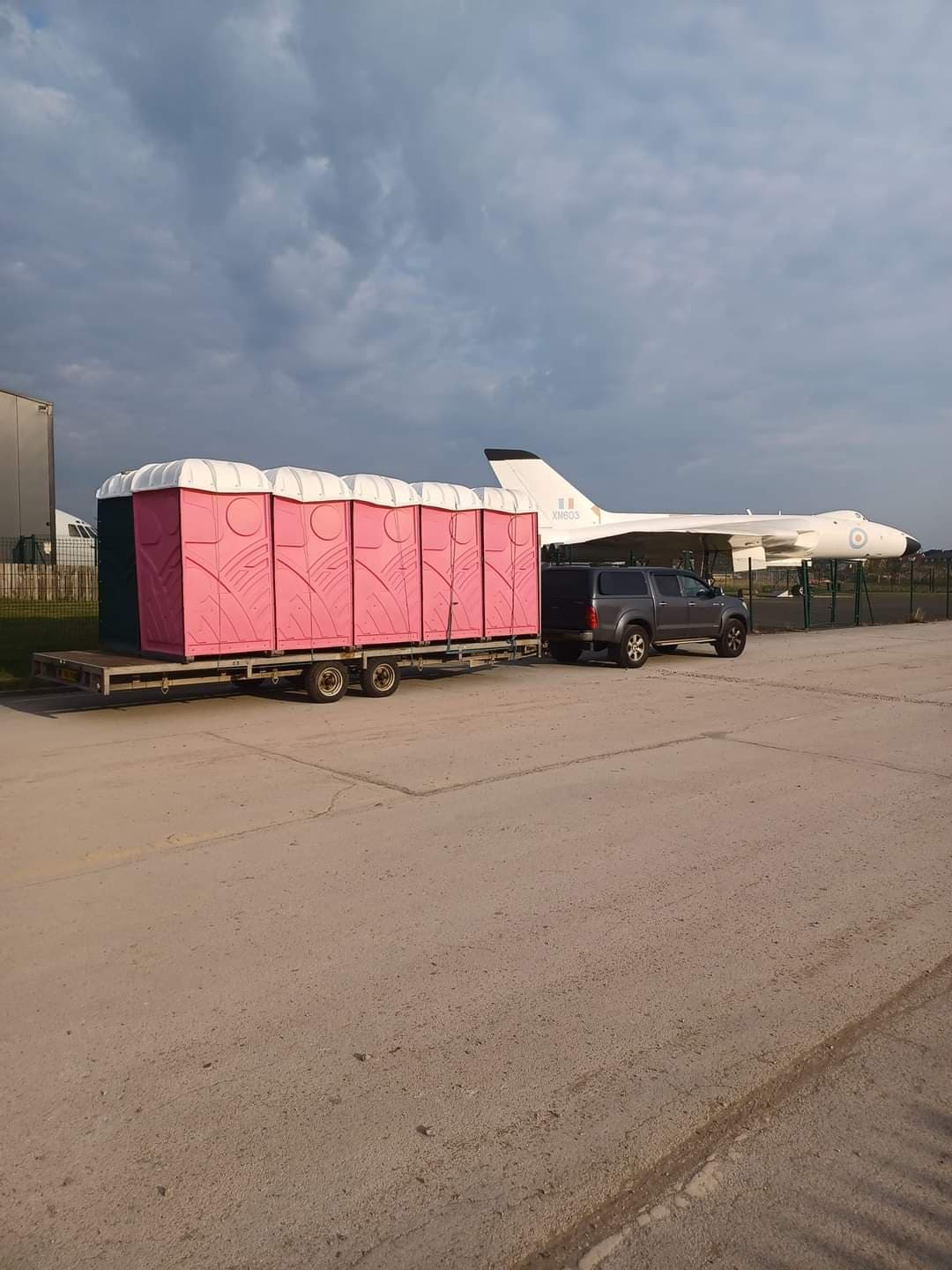
Summer. The time of year when the sun hangs high in the sky, festivals are in full swing, and portable toilets become a breeding ground for odours that could make a skunk blush. There's no sugar-coating it. The combination of heat and portable loos can be a challenge. But fear not, there are ways to keep the olfactory assault to a minimum. Here’s how.
Location, Location, Location
The first rule of portable toilet placement is simple: avoid the sun. Placing loos in direct sunlight is asking for trouble. The heat can turn them into veritable greenhouses of stench. Instead, opt for shady spots. Under trees or next to buildings, wherever the shadow falls, that’s where your portable toilet should go. This not only reduces heat but also helps maintain the structural integrity of the unit, which can warp under prolonged sun exposure.
Ventilation is Key
Ventilation is crucial. A well-ventilated loo is a less smelly loo. Ensure your units have adequate vents and that these are unobstructed. If you’re dealing with older models, consider upgrading. Modern units often come with improved ventilation systems designed to maximise airflow. If you haven’t got the budget for new units, strategically place battery-powered fans inside. These will help circulate air and reduce the build-up of unpleasant odours.
Regular Servicing: Not Just a Luxury
In the world of portable toilets, servicing is akin to brushing your teeth. Regular and thorough. During the summer, increase the frequency of service visits. Empty waste tanks more often and give the interiors a proper clean. A good scrub with disinfectant goes a long way in keeping odours at bay. Don’t skimp on the quality of your cleaning solutions either – opt for those specifically designed to neutralise odours rather than merely masking them.
The Right Chemicals
The use of the correct chemicals is non-negotiable. Deodorisers are the first line of defence against an olfactory onslaught. Choose a high-quality product designed for hot weather, as these often contain special enzymes and bacteria that break down waste more effectively under higher temperatures. Also, consider using formaldehyde-free options, which are not only environmentally friendlier but also less pungent themselves.
Keep It Dry
Moisture in a portable toilet is a one-way ticket to Stinkville. Ensure that water-based cleaning is followed by thorough drying. Use absorbent materials or portable dryers to remove excess moisture. This is particularly important around the base and seals where water can pool unnoticed. Less moisture equates to less bacteria, which in turn equates to less odour.
Encourage Proper Use
Education is essential. If people use the facilities correctly, it reduces the likelihood of mess and, consequently, smell. Clear signage can help – a simple ‘Close the Lid’ can make a world of difference. Also, consider providing hand sanitiser or wipes as people tend to be more considerate when they feel more hygienic.
Additional Amenities
Sometimes, it’s the extras that make all the difference. Adding a small air freshener or an odour-neutralising gel inside the units can help. These should be replaced regularly to maintain their effectiveness. Also, consider placing a small bin inside for sanitary products. This prevents inappropriate disposal and the associated odours.
Consider Upgrading
If your portable toilets are older than your latest mobile phone, it might be time for an upgrade. Modern units often come with better insulation, improved ventilation, and more effective odour control features. While the initial outlay might be more, the reduction in complaints and increased customer satisfaction will be worth it.
Plan for Busy Periods
During events, usage spikes, and so does the potential for odour. Plan accordingly. Increase the number of units to reduce individual usage and prevent overworking any single toilet. This not only helps with odour but also improves user satisfaction as queues are reduced.
Keep an Eye on the Weather
Finally, keep an eye on the weather forecast. If a heatwave is predicted, be proactive. Increase service visits, stock up on chemicals, and check your units for any maintenance needs. Being prepared can make all the difference.
In conclusion, while summer presents specific challenges for portable toilet operation, with careful planning and proactive measures, you can keep the odours at bay. After all, no one wants their event remembered for the wrong reasons. A bit of forethought and the right approach can ensure your portable toilets are remembered for their convenience, not their aroma. Cheers to a sweet-smelling summer.