
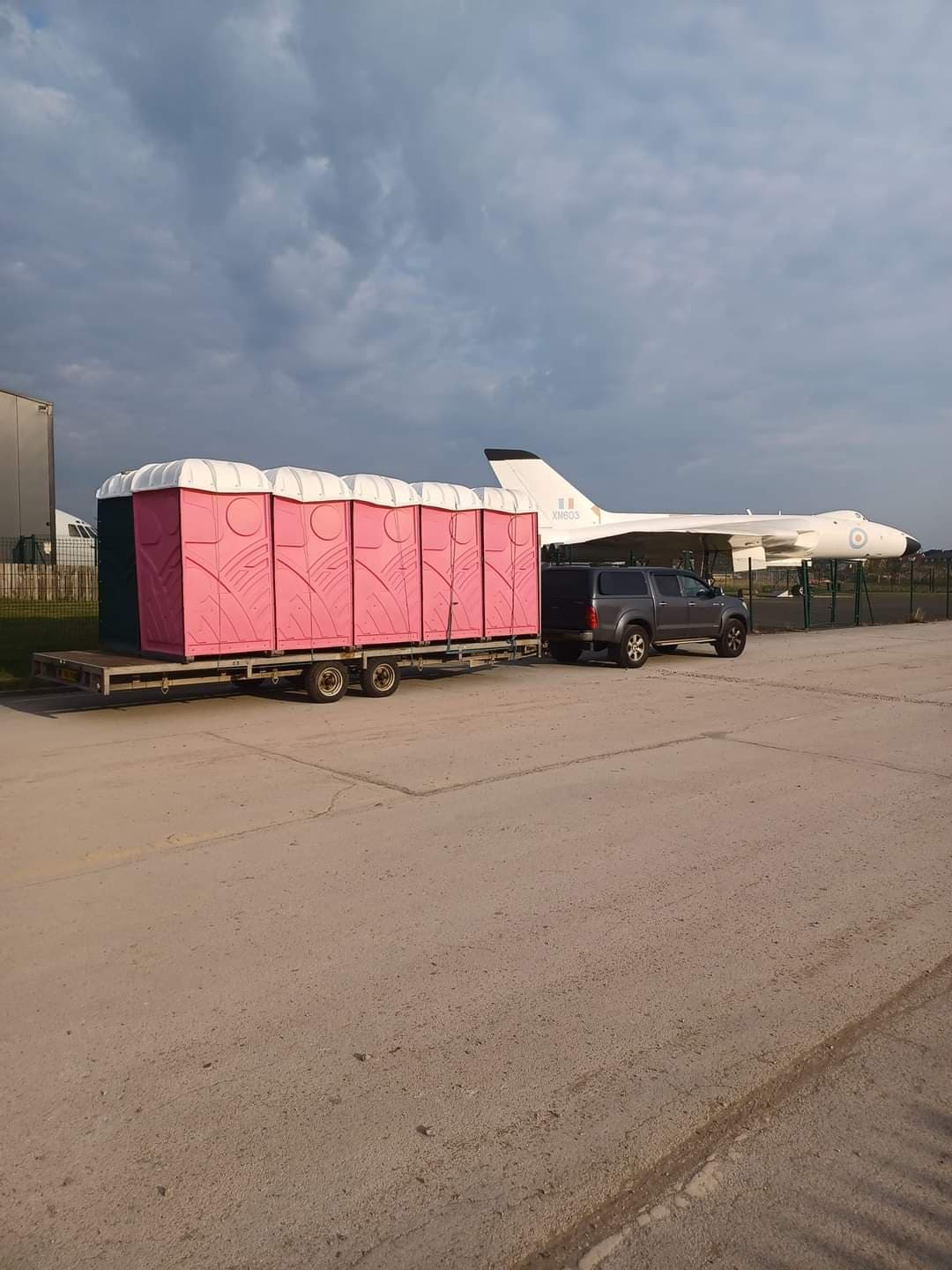
The film industry, as glamorous as it may seem, runs primarily on logistics, and among its unsung heroes is the honey wagon. While the name might evoke images of bucolic charm, the reality is far more practical, albeit less sweet. In essence, a honey wagon is a specialised trailer used on film sets to provide essential facilities such as toilets, showers, and sometimes even dressing rooms. Let’s delve into the nitty-gritty of what makes a honey wagon tick and why it’s indispensable to any film production.
The Origins of the Honey Wagon
Before we dive into the nuts and bolts, a brief history lesson. The term "honey wagon" supposedly dates back to days when sewage collection carts were euphemistically referred to as such. Fast forward to the modern era, and the term has stuck around, albeit with far more sophistication and utility. Today’s honey wagons are a far cry from their humble beginnings, offering a wide range of amenities to cater to the demanding needs of a film set.
Anatomy of a Honey Wagon
A typical honey wagon will feature multiple compartments, each serving different functions. The most basic configuration includes toilet facilities, which are crucial for maintaining sanitary conditions on set. Beyond the basics, many honey wagons also come equipped with shower facilities, particularly useful for shoots in remote locations where traditional facilities might not be available.
Then there's the dressing room, or rooms, depending on the size of the production. These are often compact yet thoughtfully designed spaces where actors can prepare for their scenes. The dressing rooms usually include mirrors, lighting, and seating, providing a semblance of comfort amidst the chaos of a film set.
The Role of the Honey Wagon in Film Production
Logistics is the backbone of any film production, and the honey wagon is a key component. It serves as a mobile solution to the everyday needs of cast and crew, ensuring that the focus remains on the production rather than mundane concerns. With tight shooting schedules, any downtime due to inadequate facilities can lead to costly delays. The honey wagon mitigates this risk by providing reliable and immediate access to essential services.
Moreover, the presence of a honey wagon enhances the morale of the cast and crew. Filming can be gruelling work, often taking place in less-than-ideal conditions. Having access to clean, comfortable facilities can make a substantial difference in maintaining the well-being and productivity of everyone involved.
Choosing the Right Honey Wagon
Selecting the appropriate honey wagon is not a one-size-fits-all decision. Several factors must be considered to ensure that the chosen facility meets the specific needs of the production.
Size and Capacity
First, consider the size of the production. Larger productions with a star-studded cast may require multiple honey wagons to accommodate the number of people on set. Conversely, smaller productions might make do with a single, more compact unit.
Facilities Offered
Next, assess the required facilities. Does the production need showers? Will there be a requirement for multiple dressing rooms? Answering these questions will help narrow down the options and ensure that the selected honey wagon can adequately cater to the needs of the shoot.
Location and Accessibility
Location plays a critical role in the selection process. Remote shoots may necessitate a honey wagon with additional features such as water tanks or generators. Additionally, consider the accessibility of the filming location. A honey wagon that’s too large to navigate narrow roads or rough terrain is as good as useless.
Budget Constraints
Finally, budget considerations cannot be ignored. The cost of hiring a honey wagon can vary significantly based on size, features, and duration of hire. Balancing the needs of the production against financial constraints is essential to making a prudent choice.
Tips for Managing Honey Wagons on Set
Having selected the ideal honey wagon, effective management on set ensures it serves its purpose seamlessly.
Regular Maintenance
Ensure regular checks and maintenance are carried out to keep the facilities in top condition. This includes monitoring water and waste levels, checking for any plumbing issues, and ensuring cleanliness is maintained throughout the shoot.
Efficient Scheduling
Coordinate with the production schedule to ensure that facilities are available when needed. This might involve arranging times for cleaning and restocking in between shoots to avoid disruption.
Clear Communication
Keep lines of communication open between the honey wagon operator and the production team. This ensures any issues are promptly addressed and that the facilities remain in sync with the shoot’s requirements.
The Future of Honey Wagons
As the film industry evolves, so too does the humble honey wagon. Innovations aimed at improving efficiency and sustainability are gradually being introduced. Solar panels for power, eco-friendly waste disposal systems, and more luxurious amenities are becoming increasingly common. These advancements not only enhance the experience for those on set but also contribute to reducing the environmental footprint of film productions.
In conclusion, the honey wagon is an indispensable aspect of film set logistics, providing essential services that keep the production running smoothly. While it might not garner the applause of a blockbuster hit, its role in supporting the cast and crew is paramount. So the next time you find yourself engrossed in the magic of cinema, spare a thought for the honey wagon—a true behind-the-scenes stalwart.