The cost of ignoring the obvious
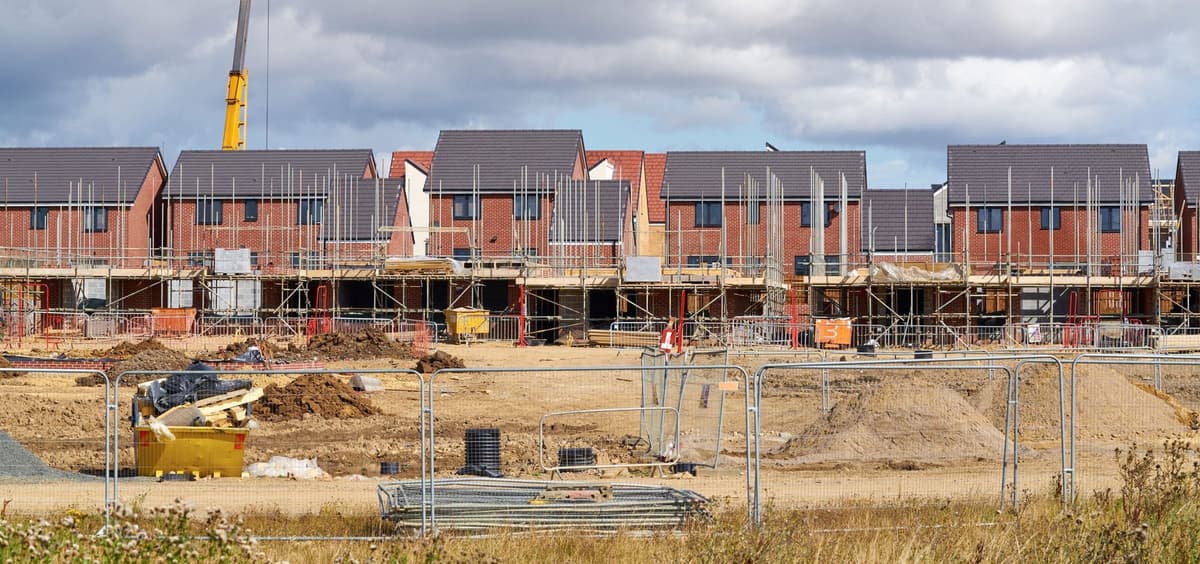
Construction sites have a way of pushing welfare down the priority list. The crane is booked, the concrete is ordered, the scaffold is up — but nobody has thought about where ten blokes are going to use the toilet for the next four months. It happens on sites of every size, from domestic extensions to major commercial builds, and it is always avoidable.
Here are ten signs that your site needs a portable toilet — and that you probably needed one last week.
1. Workers are leaving site to find a toilet
This is the clearest signal, and the most expensive to ignore. Every trip off site to find a pub, a cafe, or a petrol station costs fifteen to thirty minutes of productive time. Multiply that across four workers making three trips each over a five-day week, and you are haemorrhaging hours. That is real money — far more than the weekly cost of a toilet on site.
The productivity loss alone justifies the hire. But there is a safety dimension too. Workers walking along busy roads or crossing active traffic to reach facilities introduces unnecessary risk.
2. The client has asked you to stop using their bathroom
On domestic sites, this conversation happens once. The homeowner was generous enough to offer their facilities at the start. After two weeks of muddy boots on the landing, plaster dust on the toilet seat, and a queue forming outside the bathroom at half nine in the morning, the generosity has evaporated.
There will not be a polite second request. And there should not need to be. Having your own welfare provision on site avoids this entirely and maintains a professional relationship with the client throughout the project.
3. You have more than two people on site
Two workers can sometimes manage with informal arrangements — a nearby building, the client's house, occasional trips to local facilities. It is not ideal, but it is survivable for a very short job.
Three or more workers changes the equation completely. The frequency of use increases, the waiting becomes disruptive, and the logistical overhead of everyone leaving site at different times creates chaos. At this point, dedicated on-site provision is not optional — it is a basic operational requirement.
4. The project will last more than one week
A single day on site can be improvised. A week-long project should not be. Anything beyond a few days needs a proper, reliable solution that workers can depend on every morning when they arrive on site.
The cost of a weekly hire is so modest relative to the overall project spend that there is simply no financial argument for going without. A portable toilet costs less than a day's scaffolding hire and lasts the entire week.
5. You are working on a site with no nearby facilities
Rural sites, greenfield plots, new-build estates before the roads are finished, and agricultural conversions all share one characteristic: there is nothing within walking distance. No pub, no cafe, no public toilet.
On these sites, portable toilet provision is not a question of convenience — it is the only viable option. Workers cannot be expected to drive fifteen minutes each way multiple times a day. The project timeline would collapse and the fuel costs alone would dwarf the hire charge.
6. You employ subcontractors
The moment you bring subcontractors onto your site, CDM 2015 comes into full effect. The welfare obligation sits with the principal contractor, and that includes providing suitable and sufficient sanitary conveniences at readily accessible places on site.
This is not discretionary. It is a legal requirement. Failing to provide toilet facilities for subcontractors exposes you to enforcement action from HSE and, more practically, makes it difficult to attract decent subcontractors for future projects. Word travels fast in the trades.
7. HSE has been active in your area
HSE inspectors visit construction sites of all sizes. They do not limit their attention to major commercial projects — domestic extensions, small builds, and renovation sites are all within scope, particularly when triggered by complaints from neighbours or concerned members of the public.
A portable toilet on site is one of the first things an inspector checks. It is visible, easy to assess, and tells the inspector a great deal about the general standard of welfare management on the site. Having one demonstrates compliance. Not having one invites an improvement notice and a difficult conversation that you do not want to have.
8. Your insurance requires it
Some construction insurance policies include welfare provision as a condition of cover. This is particularly common with public liability policies for sites where members of the public might be affected. Check your policy terms — if welfare provision is a condition and you have not met it, your cover may be compromised at precisely the moment you need it.
Even where insurance does not explicitly require it, demonstrating that you take site welfare seriously can strengthen your position in the event of a claim.
9. It is winter
Cold weather makes the absence of toilet facilities more urgent and the alternatives more unacceptable. In summer, workers might tolerate walking to nearby facilities or making do with informal arrangements. In January, with driving rain, sub-zero temperatures, and limited daylight, every unnecessary trip off site is miserable, time-consuming, and potentially hazardous.
Winter sites also present practical challenges — frozen ground, shorter working days, and reduced access to nearby buildings that might close earlier. A heated portable toilet on site eliminates these issues entirely.
10. You have not thought about it until now
If you have reached the end of this list nodding along, the answer is already clear. The cost is minimal — typically less than the fuel in your van for the week. The compliance benefit is significant. The impact on worker morale and productivity is real and measurable.
What to do next
Call us on 07534 362 251. Tell us where the site is, when work starts, and how many people will be on site. We will give you a price and a delivery date, usually within twenty-four to forty-eight hours.
Chelford Mobile Services supplies portable toilets to construction sites across Cheshire, Shropshire, Staffordshire, and Greater Manchester. Weekly servicing is included in every hire.