
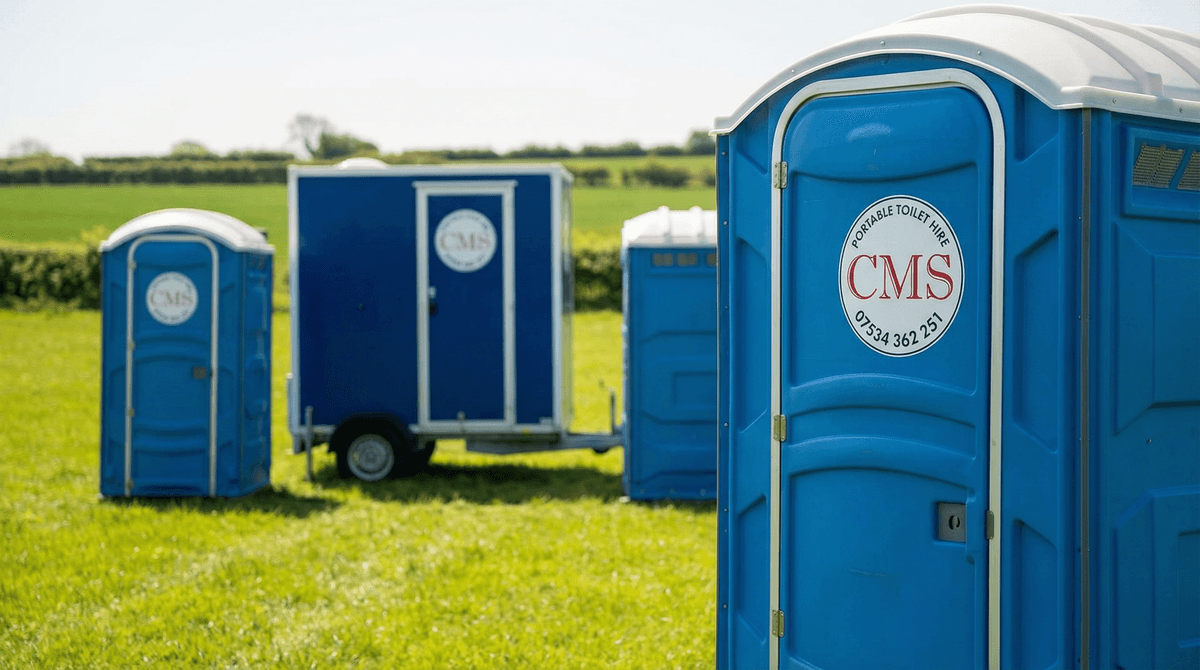
The Unspoken Realities of Portable Toilet Hire
Most people booking a portable toilet for the first time focus on price and delivery date. Those matter, obviously. But there is a range of practical details that hire companies rarely mention upfront — not because they are hiding anything, but because they assume you already know. If it is your first time hiring, you almost certainly do not.
Here are ten things that experienced hirers know and first-timers usually discover the hard way.
1. The Ground Matters More Than You Think
A portable toilet needs to sit on firm, level ground. That sounds obvious, but the number of customers who point to a patch of soft lawn or a sloping flower bed and say "just put it there" is remarkable. The unit weighs around 80 to 100 kilograms empty and considerably more once the waste tank starts filling. On soft ground, it sinks. On a slope, it becomes unstable and unpleasant to use.
Ideally, position the unit on concrete, tarmac, compacted gravel, or hardstanding. If grass is the only option, choose the firmest, flattest area available and consider placing boards underneath. We can advise on positioning when we deliver.
2. Access for the Delivery Vehicle Is Your Responsibility
We deliver portable toilets on a flatbed truck or trailer. That vehicle needs to get reasonably close to where the unit will be placed — carrying a portable toilet more than about thirty metres by hand is not practical.
Before you book, check that there is vehicle access to your site. Narrow lanes, locked gates, low bridges, weight-restricted roads, and parked cars can all prevent delivery. If access is difficult, let us know in advance and we can discuss options. Discovering an access problem on the day of delivery wastes everyone's time.
3. Weekly Servicing Is Not Optional for Long-Term Hire
If you are hiring a portable toilet for more than a week — typically for construction sites or seasonal use — it needs regular servicing. A standard unit will become unusable within seven to ten days of moderate use without servicing.
Servicing means emptying the waste tank, cleaning the interior, restocking toilet paper and hand sanitiser, checking all mechanical parts, and treating the tank with fresh chemical. This is included in our hire price. If your hire company charges extra for servicing, make sure you understand the true weekly cost before you commit.
4. You Need to Tell People How to Use It
This sounds absurd, but it is genuinely important. Portable toilets are not designed to handle the same things as a domestic toilet. Nappies, wet wipes, sanitary products, food waste, and building materials should not go into the waste tank. They block the system, make servicing harder, and can result in additional charges.
A simple sign on the door listing what can and cannot be flushed prevents most problems. For construction sites, a brief mention during the site induction is usually sufficient.
5. Positioning Affects User Behaviour
Where you place the portable toilet influences how much it gets used — and how well it is treated. Position it too far from the work area or event space and people will not bother walking to it. Position it too close and odour or queues become a problem for nearby activities.
The ideal position is visible and accessible but slightly separated from the main activity. Close enough that people will actually use it. Far enough away that it does not dominate the area. For events, good signage helps direct people to the facilities.
6. Hot Weather Makes Everything Worse
Portable toilets in direct sunlight during a British summer can become uncomfortably warm. More importantly, heat accelerates waste decomposition and odour. A unit that performs perfectly in April may struggle in July without adjustments.
If possible, position units in shade during summer months. If shade is not available, more frequent servicing helps. Good operators adjust their chemical concentrations seasonally — stronger formulations in summer to counteract the heat. If your hire company does not mention seasonal adjustments, ask about them.
7. You Might Need More Than One
The standard ratio for construction sites is one toilet per seven workers. For events, the Event Industry Forum recommends one toilet per 100 female attendees and one per 150 male attendees, with adjustments for alcohol service and event duration.
First-time hirers almost always underestimate how many units they need. One toilet is fine for a small building project with three or four tradespeople. It is not enough for a village fete with 200 visitors. If in doubt, ask us — we would rather help you get the numbers right upfront than deal with complaints about queues halfway through your event.
8. Winter Hire Has Different Challenges
Cold weather brings its own set of issues. Water and chemicals can freeze in the holding tank, the flush mechanism may stop working, and the unit becomes genuinely cold to use. Wind can also be a factor — an exposed portable toilet in a Cheshire field in January needs securing.
Good operators use antifreeze-compatible chemicals in winter and check units for frost damage during servicing. If you are hiring between November and March, ask what winter precautions are in place.
9. The Hire Period Includes Delivery and Collection Days
Most hire companies count the hire period from the day of delivery to the day of collection, not from the day you first use the unit. If you need the toilet on site for a Saturday event, it may be delivered on Friday and collected on Monday — that is typically counted as a three or four-day hire.
Clarify the hire period and charges before you book. There should be no ambiguity about when the clock starts and stops.
10. End-of-Hire Charges Are Possible
If the unit is returned with excessive contamination, physical damage, or items in the waste tank that should not be there, you may face additional cleaning or repair charges. This is rare with domestic and event customers but more common on construction sites where units sometimes receive rough treatment.
The best way to avoid additional charges is simple: use the toilet as intended, do not put anything in the tank that does not belong there, and report any damage promptly so it can be addressed during routine servicing.
The Short Version
Portable toilet hire is straightforward, but a few minutes of preparation prevents most problems. Check your ground, confirm vehicle access, understand the servicing schedule, and communicate basic usage rules to anyone who will be using the facility. Do that, and the hire will run smoothly from start to finish.
If you have questions — however basic — ask them before you book. We would far rather spend five minutes answering questions upfront than deal with a problem that could have been prevented.