
Sites with no facilities and no excuses
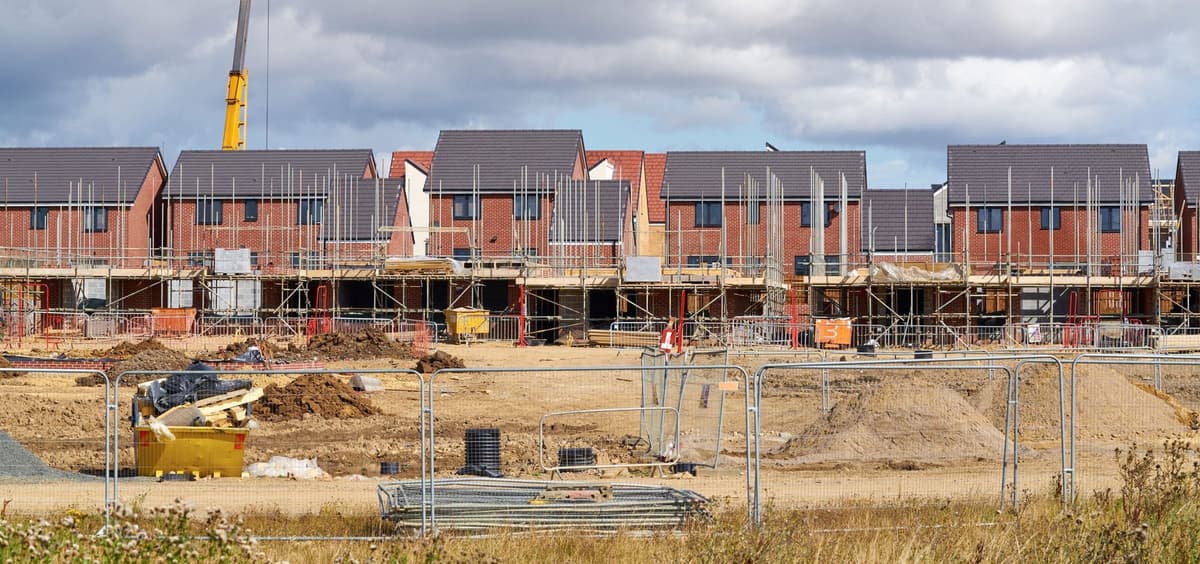
Landscaping and groundworks teams spend their working days on sites that have precisely nothing. New-build housing estates before the houses are habitable. Greenfield plots before the foundations are poured. Private gardens where asking to use the homeowner's bathroom four times a day is neither professional nor sustainable.
It is tempting to assume that toilet provision is something a small team can work around — a quick trip to the nearest pub, a sympathetic homeowner, or the time-honoured tradition of finding a quiet corner somewhere out of sight. HSE disagrees. The regulations apply to every worker on every site, regardless of team size, project duration, or the inconvenience of complying.
The regulatory position is clear
The Health and Safety Executive does not exempt small teams or short projects from welfare requirements. The relevant legislation — the Workplace (Health, Safety and Welfare) Regulations 1992 and CDM 2015 — requires adequate sanitary provision for workers on construction sites, which includes landscaping and groundworks.
This applies whether you have one worker or fifty. Whether the project lasts one day or twelve months. Whether you are a sole trader turfing a back garden or a groundworks company excavating foundations for a housing development.
In practice, a single portable toilet satisfies the sanitary requirement for small landscaping and groundworks teams. It provides a clean, private, lockable facility with toilet paper and hand sanitiser — the basic provision that the regulations require.
For teams that need washing facilities with running water — as CDM 2015 requires for construction work — a portable toilet with an attached handwash station, or a welfare unit, provides the appropriate standard.
The practical reality of different site types
New-build housing estates
New-build estates present specific challenges that landscaping and groundworks teams encounter regularly:
- Unfinished roads: No kerbs, no tarmac, just compacted aggregate or bare earth. Access routes for delivery vehicles exist but may be rough and narrow.
- Congested plots: Multiple contractors, material deliveries, plant movements, and half-built structures compete for limited space.
- Changing access: As the build progresses and roads are completed, access routes change. The delivery route that worked in month one may be blocked by scaffolding or closed for surfacing in month three.
- Multiple phases: Work on new-build estates is phased — groundworks on one plot while landscaping proceeds on another. The toilet may need to move between phases.
We deliver to new-build estates regularly and understand the logistics. Our drivers coordinate with site managers to identify the best delivery route and positioning point, and we adjust as the site evolves.
Private gardens
Private garden landscaping creates a different dynamic. The homeowner is present, the site is compact, and the relationship between contractor and client is direct and personal.
Using the homeowner's bathroom seems like the obvious solution — and some homeowners do offer. But the arrangement rarely survives contact with reality. Muddy boots, frequent interruptions, and the basic awkwardness of the situation erode goodwill quickly.
A portable toilet on the driveway or a firm area of garden is the professional solution. It sets a boundary between the client's domestic space and the work area, and it eliminates the uncomfortable conversations about bathroom access.
Greenfield and agricultural sites
Sites with no existing infrastructure — fields, paddocks, woodland clearings, rural plots — have no nearby facilities of any kind. The portable toilet is the only option, and its positioning needs to account for ground conditions that may be far from ideal.
Positioning on unfinished ground
Landscaping and groundworks sites are, almost by definition, sites where the ground is being actively modified. The surface is rarely level, rarely stable, and often recently disturbed. Finding a suitable position for a portable toilet requires pragmatism:
- The flattest available area: Even a modest lean makes the unit uncomfortable and potentially unstable
- Firm ground: Recently excavated soil, freshly spread topsoil, and waterlogged areas will not support the unit without sinking
- Away from active operations: Clear of digging, machinery movements, material storage, and vehicle routes
- Accessible for the service vehicle: Within approximately fifteen metres of where our vehicle can park
Dealing with soft ground
If the only available position is on soft ground, we can place boards or panels beneath the unit to spread the load and prevent sinking. This is common on landscaping sites where the hard surfaces are either yet to be constructed or are being actively worked on.
The key is stability. A unit that begins to sink or lean needs to be repositioned promptly — both for user comfort and for our ability to service it properly.
Relocating units as work progresses
Landscaping and groundworks projects transform the site as they proceed. The area where the portable toilet was positioned in week one may be the area being excavated in week three. The access route that worked initially may be disrupted by trenching, level changes, or material storage.
We can relocate units during the hire as needed. A phone call is all it takes — we schedule the move to coincide with a service visit or arrange a separate visit if the timing is urgent. There is no charge for reasonable relocations during the hire period.
The important thing is to communicate changes early. If you know that the toilet's current position will be affected by next week's work, tell us this week so we can plan the move. Arriving on service day to find the unit inaccessible or in an area that is now being excavated delays the service and affects the workers who depend on it.
Weekly servicing as standard
Every portable toilet hire from Chelford Mobile Services includes weekly servicing at no additional charge. The service visit covers:
- Thorough interior cleaning — walls, floor, seat, door handle, and all surfaces
- Complete emptying of the waste tank
- Refilling the flush tank with fresh chemical solution
- Restocking toilet paper, hand sanitiser, and hand wash
- Checking the door lock, ventilation, and structural condition
- Documenting the visit for compliance records
Adjusting for muddy conditions
Landscaping teams working in muddy conditions create heavier soiling of the unit interior than a typical construction site. Soil tracked in on boots, wet clothing brushing against surfaces, and general outdoor exposure all contribute to faster deterioration between service visits.
If standard weekly servicing is not maintaining the unit to an acceptable standard — which we assess during each visit — we will discuss increasing the frequency. The adjustment is proactive, not reactive. We would rather upgrade the servicing before conditions become unpleasant than wait for a complaint.
The business case for proper provision
A single portable toilet on a weekly hire represents one of the most affordable welfare provisions available to any construction or landscaping business. The weekly cost is a small fraction of the project value for even the most modest landscaping contract.
Beyond the regulatory compliance, the practical benefits are tangible:
- Productivity: Workers who have on-site facilities stay on site. Workers without facilities leave site to find a toilet — and every trip costs fifteen to thirty minutes of productive time.
- Professionalism: A portable toilet on the client's property signals that you operate to a proper standard. Clients notice. It differentiates you from competitors who treat welfare as an afterthought.
- Worker welfare: A crew with access to clean, private toilet facilities works more comfortably, stays healthier, and has one fewer reason to feel undervalued.
Coverage and booking
Chelford Mobile Services supplies portable toilets to landscaping and groundworks teams across Cheshire, Shropshire, Staffordshire, and Greater Manchester. Delivery is typically within twenty-four to forty-eight hours of booking.
Call 07534 362 251 to arrange delivery to your current or upcoming site.