The Realities of Demolition Sites
Demolition projects are not for the faint-hearted. They are chaotic, dusty, and often unpredictable environments where safety and efficiency must be paramount. Amidst the cacophony of machinery and the clouds of debris, the necessity for appropriate welfare facilities cannot be overstated. Portable toilets may not be the most glamorous aspect of a project, but they are essential. They contribute to compliance with health and safety regulations and play a critical role in maintaining workforce morale and productivity.
Demolition sites are inherently different from standard construction environments. The terrain is often uneven, access can be restricted, and the constant movement of heavy equipment means that logistics require careful planning. It is not merely about placing a few portable toilets on-site; it's about ensuring they are strategically located, easily accessible, and regularly serviced. A poorly executed welfare strategy can lead to disgruntled workers and potential breaches of the Construction (Design and Management) Regulations 2015.
Navigating Dust and Debris
Dust is a given on any demolition site, and it poses significant challenges for the placement and maintenance of portable toilets. The fine particles can infiltrate even the most robust structures, necessitating regular cleaning and servicing to maintain hygiene standards. Toilets should be positioned upwind of the prevailing dust-generating activities wherever possible. This consideration reduces the ingress of dust and helps maintain a more pleasant environment for users.
Furthermore, dust control measures on site, such as water sprays and barriers, can help mitigate the impact on portable facilities. It is not just an issue of comfort; it is a health concern. Inhalation of dust can lead to respiratory problems, and any contamination of welfare facilities can exacerbate these risks. Therefore, regular servicing, including cleaning and replenishment of hygiene supplies, is non-negotiable. A reliable provider will ensure that servicing schedules are adhered to with military precision, regardless of the site conditions.
Access: More Than Just a Pathway
Access to portable toilets on demolition sites must be meticulously planned. This involves more than simply ensuring there is a clear path to the facilities. Consideration must be given to the movement of machinery, the layout of the site, and any changes that occur as the project progresses. The last thing any site manager wants is for a digger to block the route to the loos or for facilities to be moved as the site evolves, only for workers to be left wandering in search of them.
Accessibility is also about inclusivity. Ensuring that facilities are accessible to all workers, including those with disabilities, is a legal and moral obligation. This might involve the provision of accessible toilets or the installation of ramps and handrails. Planning for access in the initial stages of a project can save time and resources later on, preventing the need for costly relocations or retrofits.
The Logistics of Portable Toilet Placement
Strategically placing portable toilets on a demolition site requires a keen understanding of logistics. It's not just about convenience; it's about operational efficiency. Toilets should be situated close enough to work areas to minimise downtime, but far enough away from the main demolition activities to avoid contamination and damage. This balance is delicate and requires input from both site managers and welfare providers.
Moreover, the number of units must be sufficient to accommodate the workforce and comply with regulatory requirements. The Health and Safety Executive (HSE) offers guidelines on the number of toilets required per number of workers, and these should be strictly adhered to. Overcrowded facilities can lead to unsanitary conditions and dissatisfaction among the workforce. A well-planned layout with adequate facilities can significantly enhance the smooth running of a project.
Compliance and Regulatory Considerations
Compliance with health and safety regulations is non-negotiable on any demolition project. The CDM Regulations 2015 place specific responsibilities on clients and principal contractors to ensure adequate welfare provision. The HSE has the power to enforce these requirements and will not hesitate to issue Improvement or Prohibition Notices if standards are found wanting.
Portable toilets must meet basic requirements for cleanliness, privacy, and accessibility. Regular inspections and maintenance are essential to ensure compliance. A reputable service provider will not only supply the facilities but also offer assurance that they meet the necessary standards. This is not an area where shortcuts can be taken. Non-compliance can lead to significant fines, project delays, and reputational damage.
The Bottom Line: Why Portable Toilets Matter
Ultimately, the provision of portable toilets on demolition sites is about more than just ticking a box. It's about creating a workable, safe, and comfortable environment for all workers. These facilities are a small but vital part of the site infrastructure that can influence the efficiency and success of the entire project.
Choosing the right provider, ensuring strategic placement, and maintaining regular servicing are all crucial elements in managing this aspect of a site effectively. While it's easy to overlook the humble portable toilet, its role in facilitating a smooth and compliant demolition project is undeniable. Neglect it at your peril. After all, in the world of demolition, where unpredictability is the only constant, a well-managed welfare facility can at least ensure that nature's calls are answered without drama.
How Chelford Mobile Services Can Help
When it comes to navigating the challenges of portable toilet provision on demolition sites, Chelford Mobile Services stands out as a reliable partner. Based in Chelford, Cheshire, this family-run business understands the intricacies of the environments they serve, precisely because they operate their own fleet across nine counties, including Cheshire, Greater Manchester, and North Wales. This geographical reach ensures that wherever your project is located, Chelford Mobile Services is equipped to provide timely and efficient support.
Unlike many in the industry who rely on brokers or subcontractors, Chelford Mobile Services owns every unit in their fleet. This direct control translates to a seamless service — no middlemen to complicate logistics or delay responses. When you call for assistance, you speak directly to the team that will be delivering and maintaining the units on your site. It’s an operational model that not only cuts through unnecessary layers but also ensures accountability at every step.
Dust and debris are no match for Chelford’s robust maintenance regime. Every hire includes weekly servicing, meticulously documented with service logs. This means that even in the most challenging conditions, the hygiene standards of your facilities remain uncompromised. The team understands that demolition sites are dynamic, and service schedules are adhered to with precision, ensuring that your site remains compliant and your workforce remains content.
Access issues are another area where Chelford excels. Their drivers and service crews are directly employed, not contracted, which means they are familiar with the nuances of complex site layouts and machinery movements. This familiarity is crucial in ensuring that facilities are positioned strategically and remain accessible. Whether it’s adjusting to an evolving site or accommodating specific accessibility requirements, Chelford’s team provides solutions that are both practical and proactive.
Strategic placement of units is not a matter of guesswork for Chelford Mobile Services. They work closely with site managers to determine optimal locations for facilities, balancing proximity to work areas with the need to minimise contamination risks. This collaborative approach ensures that your site’s logistics are streamlined, reducing downtime and maintaining compliance with HSE guidelines on welfare provision.
Compliance isn’t just a box-ticking exercise for Chelford; it’s a core aspect of their service. Every unit meets the necessary standards for cleanliness, privacy, and accessibility, with regular inspections to back this up. Chelford Mobile Services takes its regulatory responsibilities seriously, providing peace of mind that your site will withstand scrutiny from any HSE inspector.
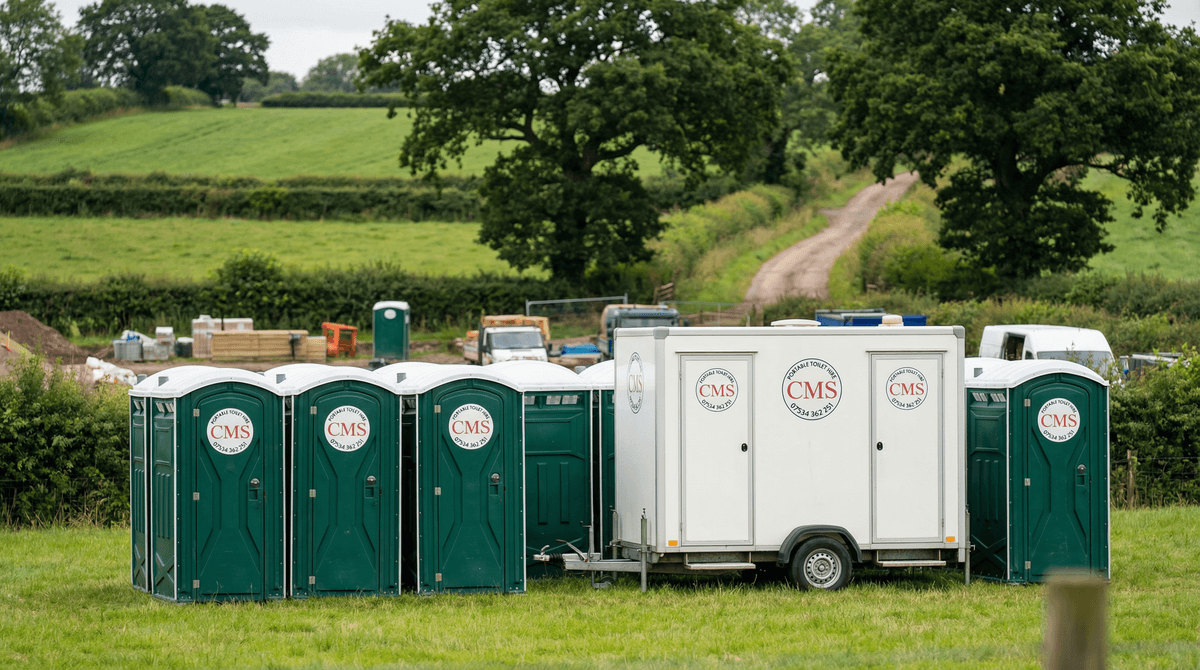
Chelford’s range of services caters to every conceivable need on a demolition site. From standard portable toilets to luxury trailers, shower units, and welfare facilities, including accessible options, they’ve got you covered. Even if your site requires septic tank emptying, Chelford’s comprehensive service lineup ensures that no aspect of your welfare provision is left wanting.
For those seeking a provider who understands the real-world challenges of demolition projects, Chelford Mobile Services offers a straightforward, no-nonsense approach. With a free quote just a phone call away at 07534 362 251, or via their contact page, you’re assured of a service that prioritises operational efficiency and compliance without the fluff. In a sector where reliability is as crucial as the services themselves, Chelford Mobile Services delivers without drama.