
The Legal Basis for Welfare Requirements
Construction site welfare provision is governed principally by Schedule 2 of the Construction (Design and Management) Regulations 2015 (CDM 2015) and the Workplace (Health, Safety and Welfare) Regulations 1992, which apply where sites have become more permanent in nature. The Health and Safety Executive takes welfare provision seriously. It is not a soft target; inadequate welfare has been cited in improvement notices and prohibition notices issued to principal contractors.
Schedule 2 of CDM 2015 sets out minimum welfare requirements. These are not aspirational — they are the legal floor. Inspectors assess compliance against these requirements on unannounced visits.
What Schedule 2 Requires
The Schedule specifies the following facilities, each of which an inspector will assess:
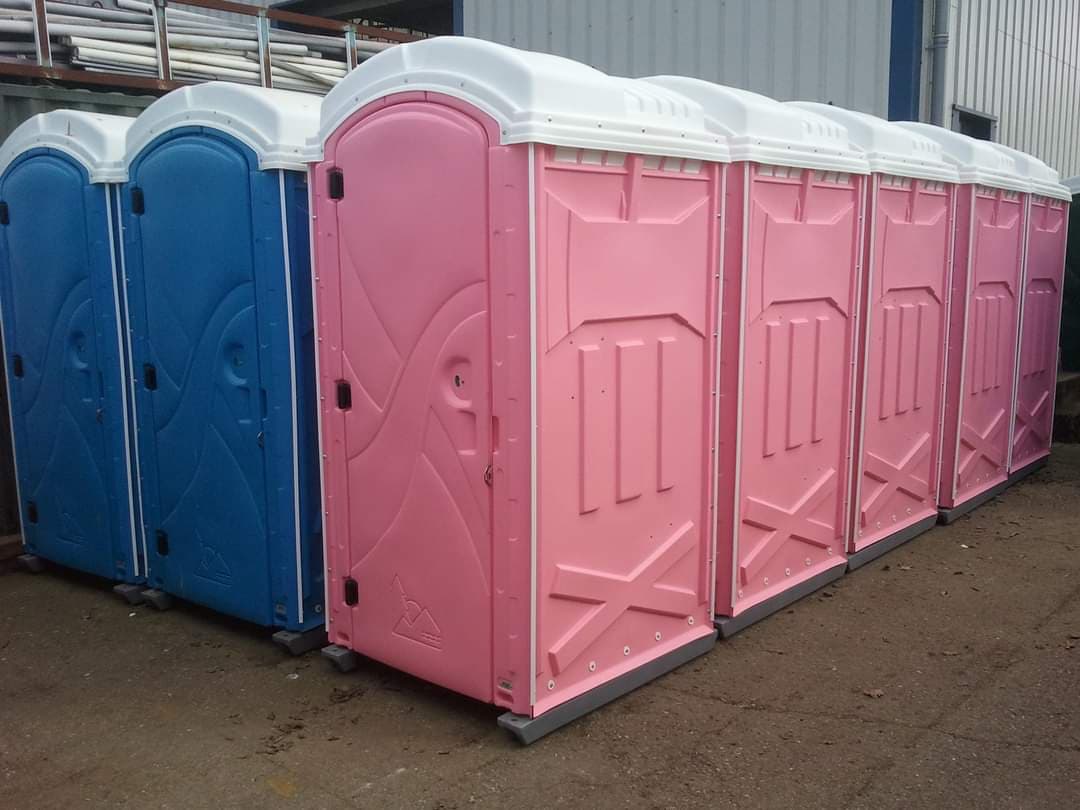
Sanitary conveniences: Sufficient numbers of toilets must be provided, kept clean, and adequately lit and ventilated. Where workers of both sexes are employed, facilities should either be in separate rooms or capable of being locked from inside for individual use. Adequate toilet paper must be available.
Washing facilities: These must include a supply of clean hot and cold, or warm, water, soap, and towels or other means of drying. Showers must be provided where the work is particularly dirty or involves exposure to substances that require washing off. Washing facilities must be adjacent to toilets and changing rooms.
Drinking water: An adequate supply of wholesome drinking water, with cups or other vessels unless the supply is from a fountain, must be available at readily accessible and suitable places.
Changing rooms and lockers: Where workers are required to wear special clothing or where their own clothing may become contaminated, changing rooms with secure storage for both work and personal clothing must be provided.
Rest facilities: A rest area or rest room, with sufficient tables and seating with backs, and a means of heating food and boiling water, must be provided. Where pregnant women or nursing mothers are employed, suitable rest facilities must be available.
What Inspectors Actually Look At
An HSE inspector arriving on site will look at several things beyond the headline provision:
- Condition of units: A toilet unit on site is not compliant merely by existing. It must be maintained in a clean state. Inspectors have issued notices over units that were present but visibly dirty, without consumables, or not functioning.
- Ratio to workforce: The number of facilities must be proportionate to the number of workers on site. CDM 2015 does not specify a ratio in numerical terms, but inspectors apply common sense and reference HSE guidance (including the Construction Information Sheet CIS18) when assessing adequacy.
- Proximity to work areas: Facilities must be readily accessible. Units positioned at excessive distance from the work area, or behind locked gates without key access, do not meet the standard.
- Hot water availability: This is a common failure point. Cold water only does not satisfy the Schedule 2 requirement in most circumstances. Inspectors check whether hot or warm water is genuinely available.
- Separate facilities or locking provisions: Mixed-sex sites that provide only communal unlockable facilities are a common finding.
- Rest facilities: A welfare unit that provides only toilets, with nowhere to eat or take a break, is non-compliant.
Common Triggers for Enforcement Action
The following consistently appear in HSE enforcement records relating to welfare:
- No welfare facilities at all on small sites (the most common finding)
- Facilities present but in a state that renders them effectively unusable
- Absence of hot water
- No rest facilities or food heating provision
- Facilities that have not been serviced and are full or beyond reasonable use
- No handwashing facilities alongside toilet provision
Improvement notices typically specify a timeframe for compliance. Prohibition notices, which stop work, are reserved for more serious failures or repeated non-compliance.
The Principal Contractor's Responsibility
Under CDM 2015, the principal contractor is responsible for ensuring welfare facilities are provided and maintained throughout the construction phase. This duty cannot be delegated away by contract, though subcontractors may share operational responsibilities.
Principal contractors should:
- Specify welfare requirements in the construction phase plan
- Confirm provision is in place before any workers arrive on site
- Arrange a servicing schedule with the hire company that matches site activity and workforce numbers
- Inspect welfare facilities as part of regular site safety checks
- Record inspections
The Practical Reality
Many welfare failures on construction sites are not the result of deliberate neglect. They arise from poor planning — toilet units ordered too late, servicing intervals set without reference to actual workforce size, or facilities that were adequate for five workers still in place when the workforce has grown to thirty.
The solution is straightforward: involve your welfare provider in project planning, not just procurement. A hire company that understands the CDM requirements will help you avoid the failures that attract inspector attention.