# HSE Welfare Inspection: How to Prepare Your Construction Site
Health and safety are not merely buzzwords in construction. They are the bedrock of responsible site management, as any self-respecting principal contractor knows. The Health and Safety Executive (HSE) isn't interested in your excuses or your glossy brochures. They want compliance, and they want it now. The Construction (Design and Management) Regulations 2015 (CDM 2015) set the standard. Here's how to ensure your site measures up when the inspectors come knocking.
Assessing Your Site's Welfare Needs
Before you even think about impressing an HSE inspector, you need a clear-eyed assessment of your site's welfare needs. This isn't about ticking boxes or hoping your mate's setup will suffice. It's about understanding the specific requirements of your project and ensuring all bases are covered.
- Scale and Duration: A small renovation project doesn't need the same facilities as a multi-year infrastructure build. The number of workers, the site area, and the nature of the work all factor into what welfare provisions are necessary.
- Specific Facilities: CDM 2015 Schedule 2 makes it clear. You need adequate washing facilities, toilets, rest areas, and somewhere to eat. Each must be clean, accessible, and properly maintained. A portable toilet isn't good enough if it's filthy or miles away from the worksite.
- Risk Assessment: Conducting a thorough risk assessment will highlight specific welfare needs. High-risk activities might necessitate additional facilities, such as decontamination showers or specialist first-aid rooms.
Procuring the Right Facilities
Once you've assessed your needs, it's time to procure the right facilities. This is where many fall short, opting for the cheapest or most convenient option without considering the longer-term implications.
- Quality Over Cost: Skimping on welfare facilities is a false economy. Poor facilities lead to unhappy workers, lower productivity, and potentially hefty fines. Choose suppliers known for reliability and quality, like Chelford Mobile Services, who don't rely on subcontractors and offer direct accountability.
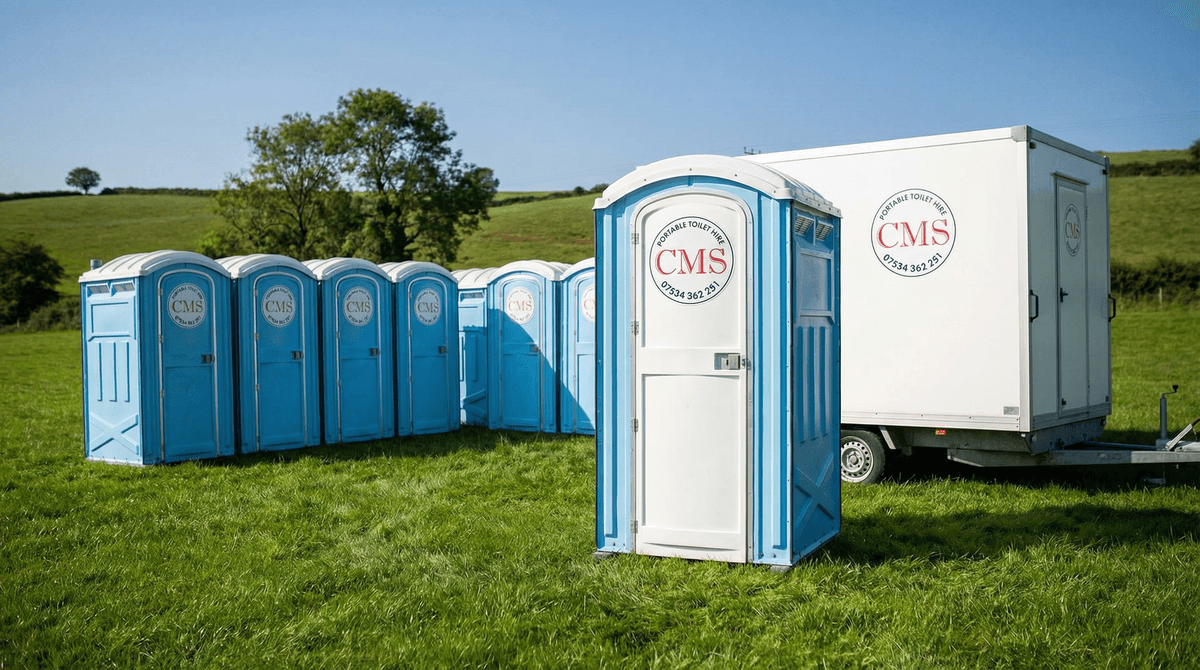
- Comprehensive Offering: Beyond basic toilets and washrooms, consider luxury toilet trailers for larger sites, shower trailers for particularly dirty work, and welfare units that combine several facilities in one. Accessibility is non-negotiable; ensure there are adequate facilities for disabled workers.
- Regular Servicing: Weekly servicing should be a given, not an afterthought. Hygiene is paramount, and regular maintenance ensures facilities remain in top condition. Chelford Mobile Services' commitment to weekly servicing is a model worth emulating.
Preparing for the Inspection
Preparation is everything when it comes to HSE inspections. You might think you're ready, but the devil is in the detail.
- Documentation: Keep all your paperwork in meticulous order. This includes risk assessments, servicing logs, and any correspondence with suppliers. Inspectors don't want excuses; they want evidence that you're in control.
- Training: Ensure everyone on site knows their responsibilities. From site managers to labourers, each person should understand the welfare facilities available and how to access them. Training should be practical and clear, not a tick-box exercise.
- Mock Inspections: Conducting your own internal inspections can highlight issues before the HSE does. Treat them seriously and be ruthless in your assessments. It’s better to catch problems yourself than to hear about them from an inspector.
Common Pitfalls and How to Avoid Them
Even the best-laid plans can go awry, particularly if you're not aware of the common pitfalls that trip up many a construction site.
- Inadequate Facilities: The most frequent failing is simply not having enough facilities for the number of workers. Overcrowding leads to hygiene issues and worker dissatisfaction. Ensure a sufficient number of toilets and washing stations for the workforce size.
- Poor Maintenance: Facilities that start off pristine can quickly deteriorate without regular upkeep. Weekly servicing is a minimum standard, but regular checks by site staff can catch issues before they become problems.
- Ignoring Feedback: Workers on the ground will often be the first to notice issues with welfare facilities. Encourage feedback and act on it swiftly. This proactive approach not only improves conditions but also boosts morale and productivity.
Staying Compliant in the Long Term
Passing an inspection is just the beginning. Maintaining compliance is an ongoing commitment that requires diligence and foresight.
- Regular Reviews: As your project evolves, so too should your welfare facilities. Regular reviews ensure you're adapting to changes in workforce size, project scope, or site conditions.
- Stay Informed: CDM regulations are not static. Keeping abreast of industry changes and updates to legislation ensures you're always compliant. Subscribe to industry publications, attend relevant workshops, and engage with professional networks.
- Build Relationships: Establishing a strong relationship with a trusted supplier like Chelford Mobile Services can make a world of difference. Their expertise and reliability can provide the support needed to ensure continual compliance.
In conclusion, preparing your construction site for an HSE welfare inspection is no small task. It requires a genuine commitment to health and safety, a meticulous approach to planning, and a willingness to invest in quality facilities. By adhering to the principles laid out here, you can ensure your site not only meets but exceeds the standards expected by the HSE. And remember, it's not just about passing an inspection—it's about creating a safe, productive environment for everyone involved.
How Chelford Mobile Services Can Help
Navigating the intricate world of construction site welfare is no mean feat. Whether you're grappling with inadequate facilities, maintenance woes, or just trying to sidestep the usual pitfalls, Chelford Mobile Services stands ready to assist. Situated in the heart of Cheshire, this family-run operation understands the real-world challenges that construction projects face across the North West, Midlands, and North Wales. With a reputation built on reliability and direct accountability, CMS offers a tangible solution to the welfare needs outlined in CDM 2015.
One of the most significant advantages Chelford Mobile Services brings to the table is its ownership model. Unlike many in the industry, Chelford owns every unit in its fleet. This means there are no subcontractors, brokers, or middlemen to contend with. When you hire from CMS, you're dealing directly with the source. This not only ensures a smoother procurement process but also guarantees that the person you speak to is the same one who oversees the delivery and servicing of your facilities. It's a model that places control firmly in your hands, reducing the risk of miscommunication and ensuring that your site receives exactly what it needs, when it needs it.
CMS's operational footprint is impressive, covering nine counties including Cheshire, Greater Manchester, and North Wales. This expansive reach means that wherever your project is located within these regions, CMS can deliver promptly and efficiently. Their fleet includes a wide array of facilities: from standard portable toilets to luxury toilet trailers, shower trailers, and comprehensive welfare units. Each unit is maintained to the highest standards, with weekly servicing included as a standard part of the hire package. This regular upkeep ensures that facilities remain clean, operational, and compliant with CDM requirements — a critical factor in avoiding the common pitfall of poor maintenance.
The company employs all its drivers and service crews directly, a detail not to be overlooked. This approach fosters a team that is not only skilled but also deeply committed to the values and standards of the business. It means that every delivery, every service call, is handled by individuals who understand the importance of their role in your project's success. Their familiarity with the equipment and dedication to service excellence translates into reliability and peace of mind for your site operations.
In terms of practical solutions, Chelford Mobile Services offers a range of facilities that can be tailored to the specific needs of your project. For sites with a high volume of workers or those that run over extended periods, luxury toilet trailers and comprehensive welfare units provide the comfort and functionality required to maintain morale and productivity. These units are not just about meeting regulatory requirements; they are about enhancing the on-site experience in a tangible way. Accessibility is also a priority, with CMS offering facilities designed specifically for disabled workers, ensuring inclusivity across the board.
Documentation is another area where CMS excels. Each weekly service is meticulously logged, providing you with the necessary evidence to satisfy HSE inspectors. This commitment to transparency and thoroughness is precisely what you need when preparing for an inspection. It removes the stress of last-minute scrambles for paperwork and demonstrates a proactive approach to health and safety compliance.
Finally, for those looking to secure the best facilities without the headache of endless back-and-forth negotiations, CMS offers straightforward communication. A free quote is just a phone call away at 07534 362 251, or you can reach out via their contact page. This ease of access underscores their commitment to customer service and reinforces their position as a trusted partner in construction site welfare provision.
In summary, Chelford Mobile Services is more than just a supplier; they are a partner in ensuring your site meets and exceeds the welfare standards demanded by today's rigorous construction environment. Their family-run ethos, combined with a robust operational framework, ensures that your project's welfare needs are in capable hands.