Navigating the Legal Landscape
Operating portable toilets might seem like a straightforward business, but the regulatory framework in the UK is anything but simple. Compliance with the Environmental Protection Act 1990 is non-negotiable, especially when dealing with human waste, which is classified as controlled waste. This means that portable toilet operators must adhere to strict waste management protocols to avoid hefty fines and potential legal action.
The Environment Agency oversees these regulations in England, while Scotland, Wales, and Northern Ireland have their respective bodies. Each of these authorities requires operators to hold a valid waste carrier's licence. This licence is your legal permission to transport waste, and failing to secure one can result in penalties that make your business financially unviable. So, before you even think about setting up shop, get your waste carrier's licence in order. It's the first step towards operating legally and responsibly.
The Role of the Health and Safety Executive
The Health and Safety Executive (HSE) plays a pivotal role in regulating workplace safety in the UK, and portable toilet operators are not exempt. Under the Health and Safety at Work etc. Act 1974, employers are obligated to ensure the health, safety, and welfare of their employees, which includes those involved in the delivery, maintenance, and servicing of portable toilets.
Operators must conduct risk assessments to identify potential hazards associated with handling human waste and operating heavy equipment. These assessments should form the basis of your health and safety policies, which must be reviewed regularly to remain compliant with HSE guidelines. Failure to comply not only endangers your workforce but also exposes your business to legal scrutiny and potential closure.
Waste Disposal and Environmental Compliance
Proper waste disposal is the cornerstone of operating a portable toilet business. The Controlled Waste Regulations 2012 outline what constitutes controlled waste, and human waste certainly fits the bill. To comply, operators must use authorised waste disposal facilities. These facilities are equipped to process waste without harming the environment, and using them is not just a legal obligation but an ethical one.
Additionally, the Environmental Permitting (England and Wales) Regulations 2016 may require you to hold an environmental permit if your operations exceed certain thresholds. These permits ensure that your waste disposal activities do not adversely affect the environment. Ignoring these requirements can lead to severe penalties, including business closures and substantial fines. Thus, understanding and complying with environmental regulations is not optional; it's essential for your business's longevity.
Insurance Considerations
Operating without adequate insurance is a risk no savvy business owner should take. Public liability insurance is crucial, covering claims of injury or damage caused by your portable toilets. Likewise, employer’s liability insurance is a legal requirement if you have staff. This protects you against claims from employees who might suffer injuries or illnesses as a result of their work.
Beyond these basics, consider additional coverage such as vehicle insurance for your fleet and insurance for your equipment. While insurance may seem like an unwelcome expense, it provides a safety net that can protect your business from unforeseen financial hits. Given the nature of the industry, the right insurance can mean the difference between recovering from a mishap and going out of business.
Ensuring Accessibility Compliance
The Equality Act 2010 mandates that businesses provide adequate facilities for people with disabilities. For portable toilet operators, this translates into offering accessible units that meet recognised standards. It's not just about ticking a compliance box; it's about ensuring that everyone has access to clean, safe, and dignified sanitation facilities.
Accessible toilets should be designed to accommodate wheelchairs and include features such as handrails and non-slip flooring. While these units may cost more to hire or purchase, they open up your services to a broader audience and demonstrate your commitment to inclusivity. In a competitive market, being seen as a responsible and inclusive operator can give you a significant edge.
Training and Certification
While not always legally required, training and certification for your staff can enhance the operational efficiency and safety of your business. Training programmes, such as those offered by the British Institute of Cleaning Science, can provide your team with the skills needed to maintain high hygiene standards and operate equipment safely.
Certification can also be a selling point when competing for contracts, as clients often prefer operators who can demonstrate a commitment to best practices. Investing in training not only boosts your business's reputation but also helps in retaining skilled staff, reducing turnover, and improving service quality.
The Bottom Line
In the portable toilet business, compliance is not merely about avoiding fines; it's about building a business that is robust, reputable, and respected. Understanding and meeting licensing requirements, environmental regulations, and health and safety laws are fundamental. As the regulatory landscape evolves, staying informed and proactive is your best defence against legal pitfalls. In an industry where reputation is everything, doing things by the book is not just good practice; it's good business.
How Chelford Mobile Services Can Help
Navigating the complexities of portable toilet operations isn't for the faint-hearted. But it's precisely this robust understanding of regulation and operational nuance that sets Chelford Mobile Services apart. As a family-run business rooted in Chelford, Cheshire, we've mastered the art of compliance and customer satisfaction without cutting corners.
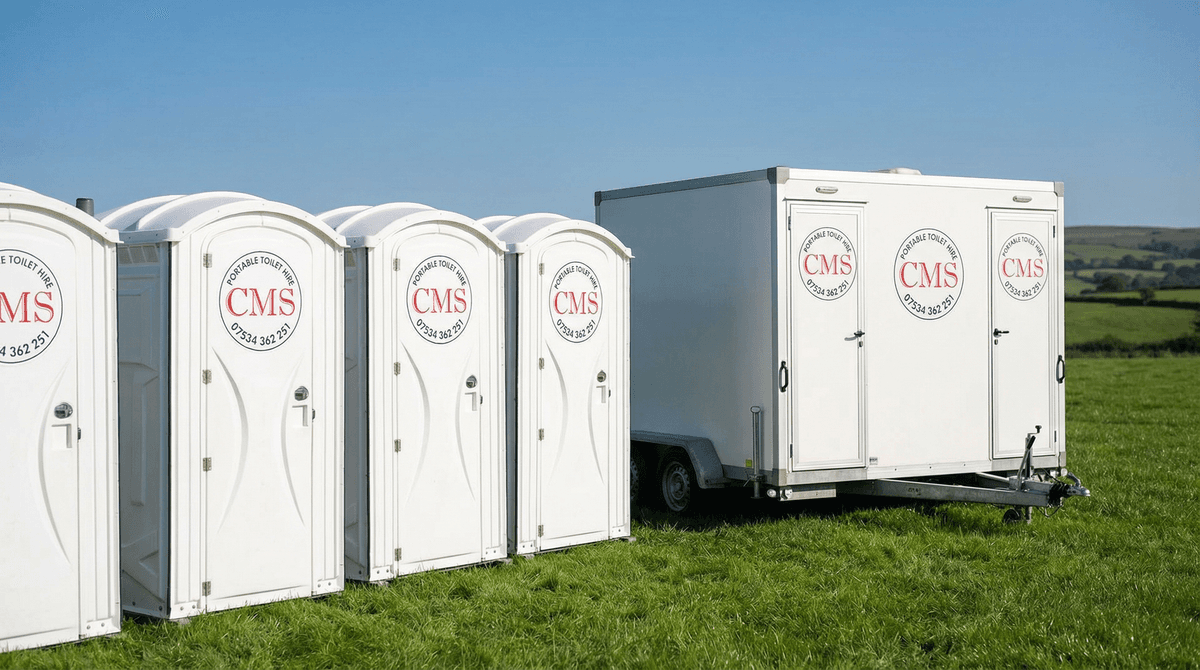
Our commitment to owning every single unit in our fleet ensures that we have complete control over quality and reliability. There are no subcontractors, brokers, or middlemen muddying the waters. This direct ownership allows us to maintain impeccable standards across our offerings, which include portable toilets, luxury toilet trailers, shower trailers, welfare units, portable urinals, accessible toilets, and septic tank emptying.
Operating across nine counties—Cheshire, Greater Manchester, Shropshire, Staffordshire, Derbyshire, Lancashire, Merseyside, North Wales, and the West Midlands—we're not just a local operation but a regional one, adept at meeting diverse client needs with tailored solutions.
Compliance Without Compromise
Our approach to compliance is straightforward: adhere to the letter of the law while exceeding expectations. We hold all necessary waste carrier's licences, ensuring that every aspect of our waste management process is legally sound and environmentally responsible. Our service logs meticulously document weekly servicing, providing an audit trail that reassures clients of our commitment to hygiene and regulatory adherence.
Chelford Mobile Services is acutely aware of the Environmental Protection Act 1990 and the associated responsibilities it imposes. Our operations are designed to align with these regulations, meaning clients can focus on their projects while we handle the intricacies of waste management.
Safety as Standard
The Health and Safety Executive's guidelines are not merely recommendations to us—they are fundamental to our operations. Risk assessments are a routine part of our job, ensuring that our team operates safely and efficiently, whether they're delivering units to a construction site or servicing them at a festival. By employing all drivers and service crews directly, we can guarantee that every member of our team is trained to Chelford's exacting standards.
Environmental Responsibility
Adhering to the Controlled Waste Regulations 2012 and the Environmental Permitting (England and Wales) Regulations 2016 is non-negotiable. Our choice of disposal sites is deliberate, favouring authorised facilities that treat waste with the respect and care it deserves. This is not just about legal compliance; it's about our ethical commitment to the communities we serve and the environment we all share.
Insurance and Assurance
We've covered all bases with comprehensive insurance policies, including public and employer’s liability. This not only safeguards our business but also protects our clients. Should the unexpected occur, our insurance will mitigate the financial impact, ensuring that neither we nor our clients are left in a difficult position.
Accessibility and Inclusivity
In line with the Equality Act 2010, our accessible units are designed with the utmost care, catering to all users with features like handrails and non-slip flooring. We believe that sanitation should be inclusive, and our facilities reflect this ethos. By offering accessible options, we not only comply with legal mandates but also demonstrate our commitment to inclusivity, enhancing our reputation and reach in a competitive market.
Expertise and Excellence
Training and development are core to our operations. While not always legally required, we invest in our staff, equipping them with the skills needed to maintain the high standards we promise. This investment pays dividends in service quality and client satisfaction, reinforcing our reputation as a reliable operator.
Final Thoughts
Chelford Mobile Services doesn't just operate within the legal framework; we thrive in it, using it to enhance our service delivery and client satisfaction. Whether you're planning a large-scale construction project or a local event, we offer more than just toilets—we offer peace of mind. For a free quote, call us on 07534 362 251 or visit our contact page. Let us handle the logistics, compliance, and sanitation, so you can focus on what you do best.