The Regulatory Framework for Portable Toilet Waste Disposal
Portable toilet waste disposal in the UK is governed by a complex web of environmental regulations. These rules ensure that waste is handled and disposed of in a manner that protects both humans and the environment. At the core of this framework lies the Environmental Permitting (England and Wales) Regulations 2016, which dictate when and how businesses must secure permits for waste treatment and disposal activities. In Scotland and Northern Ireland, similar regulations apply, though with regional variations.
Without the appropriate permits, waste carriers can face hefty fines and potential shutdowns. The essence of these regulations is to prevent contamination of water sources, avoid public health risks, and ensure that waste management companies uphold high standards of environmental stewardship. It's not merely about compliance; it's about maintaining public trust and ensuring long-term sustainability.
Who Needs an Environmental Permit?
The requirement for an environmental permit hinges on the scale and nature of the waste handling activity. Portable toilet operators who transport and dispose of waste must typically secure a waste carrier licence, issued by the Environment Agency in England, Natural Resources Wales, the Scottish Environment Protection Agency, or the Northern Ireland Environment Agency, depending on the location of operations.
Furthermore, if a company treats waste – for instance, by dewatering or storing it before final disposal – an additional permit is often required. However, exceptions do exist for small-scale operations or specific waste streams, under what are known as exemptions. These exemptions must still be registered and adhered to strictly, with the understanding that ignorance is no defence in the eyes of the law. The key is to assess operations carefully against the regulations and, when in doubt, consult with the relevant authority.
The Role of Local Authorities
Local authorities play a significant role in regulating portable toilet waste disposal. They have the power to inspect premises, enforce legal compliance, and issue penalties for breaches. Their remit extends to ensuring that the businesses within their jurisdiction do not harm the local environment or community health.
This local oversight means that companies must engage actively with their councils, ensuring that they meet any specific local requirements that may be over and above national regulations. In some cases, local authorities may impose stricter conditions, particularly in sensitive areas such as near watercourses, conservation sites, or densely populated regions. Thus, maintaining an open line of communication with local authorities is not only prudent but essential for seamless operations.
Best Practices for Compliance
Compliance with environmental permits is not about ticking boxes; it's about embedding best practices into everyday operations. This involves training staff on proper waste handling procedures, implementing rigorous health and safety protocols, and maintaining accurate records of waste transactions. Regular audits and reviews of compliance procedures can identify potential areas of improvement before they become problems.
Moreover, businesses should consider adopting technological solutions that enhance monitoring and reporting capabilities. For instance, GPS tracking of waste transport vehicles and digital record-keeping can streamline operations and provide verifiable data to regulators if required. The key takeaway is that proactive compliance not only avoids penalties but also enhances operational efficiency and reputation.
The Consequences of Non-compliance
Failing to adhere to environmental regulations can have severe repercussions. Financial penalties are the most immediate and obvious consequence, but the impact goes beyond just the monetary. Non-compliance can lead to reputational damage, loss of business licences, and even criminal charges for the most egregious violations.
It's worth noting that regulators have become increasingly vigilant and well-equipped to detect non-compliance. The use of technology and data analytics means that irregularities can be spotted quickly, and enforcement action can be swift. Companies must therefore view compliance not as a burdensome cost but as an integral part of their business strategy. The marketplace is unforgiving, and customers are increasingly savvy about the environmental credentials of the companies they choose to engage with.
Looking Ahead: Future Trends in Regulation
The landscape of environmental regulation is ever-evolving, with pressures from climate change and public demand for sustainability driving new legislation. Companies involved in portable toilet waste disposal must stay abreast of these changes to remain compliant.
Future trends may include tighter emissions standards for waste transport vehicles, stricter requirements on waste treatment processes, and increased transparency obligations. Businesses need to be agile, ready to adapt their operations and strategies to meet these emerging challenges. Engaging with industry bodies, attending regulatory seminars, and maintaining a dialogue with policy makers can provide valuable insights into upcoming changes. Preparing for tomorrow's regulations today is not just wise but necessary for long-term success in the portable toilet industry.
How Chelford Mobile Services Can Help
Navigating the labyrinthine world of environmental permits and regulatory compliance is no small feat, particularly when the stakes involve hefty fines and potential shutdowns. Enter Chelford Mobile Services, a family-run operation based in Chelford, Cheshire, that understands these challenges and has tailored its business model to address them with precision and reliability.
At the heart of Chelford Mobile Services is a commitment to operational excellence, evidenced by their decision to own every unit in their fleet. This isn't just a point of pride; it's a strategic choice that eliminates the unpredictability of subcontractors, brokers, or middlemen. By employing all drivers and service crews directly, Chelford ensures that every aspect of their service — from delivery to waste disposal — is executed with unerring consistency and care. This approach not only aligns with the rigorous standards set by the Environmental Permitting Regulations but also safeguards against the operational hiccups that can lead to regulatory breaches.
Covering nine counties, including Cheshire, Greater Manchester, and North Wales, Chelford Mobile Services is well-versed in the nuances of local authority regulations. They maintain a proactive dialogue with councils across these regions, ensuring compliance with both national standards and any local stipulations that may apply, particularly in sensitive areas. This local knowledge is invaluable, especially when navigating the additional conditions that councils might impose near watercourses or conservation sites.
Every hire includes weekly servicing, a crucial factor in maintaining compliance and avoiding the pitfalls of non-compliance highlighted earlier. Each service is meticulously documented with service logs, providing a verifiable paper trail that not only satisfies regulatory scrutiny but also builds client trust. This attention to detail ensures that waste is handled with the utmost care, mitigating risks of contamination or public health hazards.
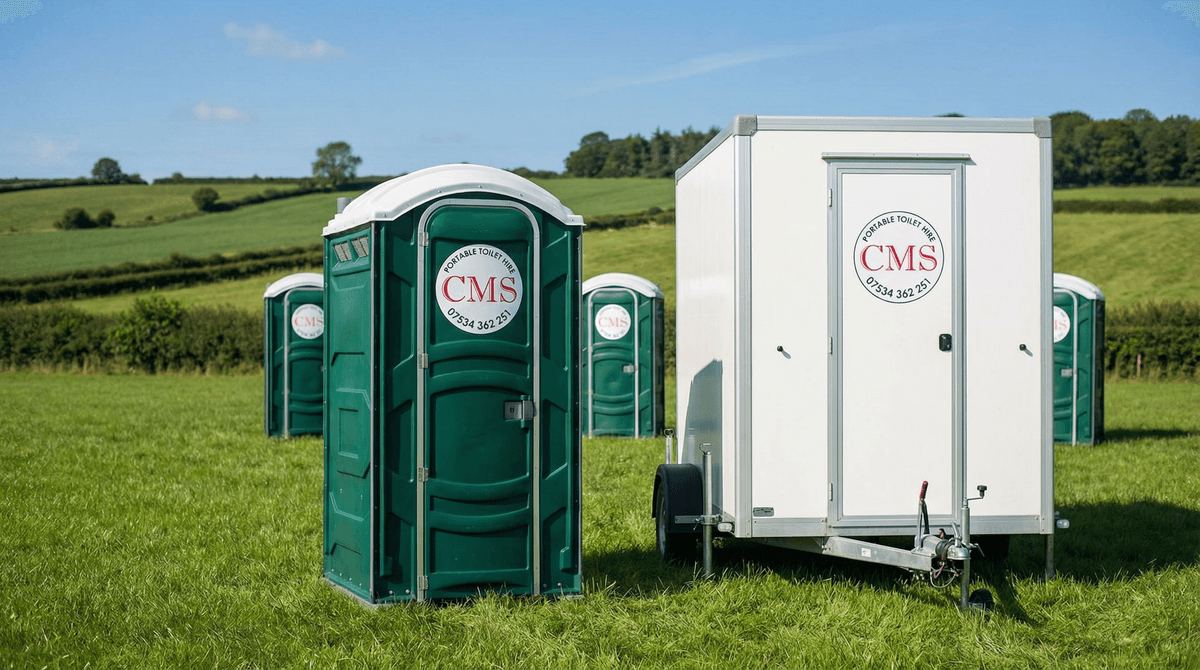
Chelford's service offerings — ranging from standard portable toilets to luxury toilet trailers, shower trailers, welfare units, portable urinals, and accessible toilets — are designed to meet diverse customer needs while adhering to best practices in waste management. The inclusion of septic tank emptying further demonstrates their comprehensive approach to waste disposal, aligning with the regulations governing treatment and disposal activities.
The company's operational agility is complemented by a commitment to innovation, though not in the superficial sense often touted elsewhere. Here, innovation means deploying practical technologies that enhance compliance and efficiency. For instance, their use of GPS tracking for waste transport vehicles not only optimises logistics but also ensures that every movement is accounted for, ready to be reported to regulators if necessary.
Chelford Mobile Services doesn't just treat compliance as a tick-box exercise; they embed it into the fabric of their operations. This is evident in their rigorous training programmes for staff, which cover proper waste handling procedures and health and safety protocols. Regular audits and reviews are conducted to ensure that any potential areas for improvement are identified and addressed promptly.
For businesses seeking a partner in portable toilet services, Chelford offers not just a service, but reassurance. Their track record speaks volumes in a market where regulatory compliance and operational reliability are non-negotiable. Customers can expect not only adherence to current regulations but also a proactive approach to future trends, ensuring that services remain compliant as legislation evolves.
In an industry where the consequences of non-compliance can be severe, Chelford Mobile Services stands out as a bastion of reliability and integrity. They understand that compliance is not merely a cost of doing business but an integral part of a sustainable and successful operation. To discuss your needs or obtain a free quote, call 07534 362 251 or visit their contact page. With Chelford, you're not just hiring a service — you're securing peace of mind.