
The Necessity of Temporary Toilets at Events
When organising an event, whether it's a bustling music festival or a quaint village fete, the necessity of temporary toilet facilities is not up for debate. Local authorities will have a keen interest in this aspect of your event planning. They know, as should you, that inadequate sanitation can swiftly turn a well-intentioned gathering into a public health debacle. The Health and Safety Executive (HSE) and local councils have clear guidelines to ensure your event doesn't end up in the headlines for all the wrong reasons.
Regulations require organisers to provide sanitary conveniences that are accessible, clean, and sufficient in number for the expected crowd size. Failure to meet these standards is not just a faux pas; it can lead to hefty fines and severe reputational damage. It is a straightforward rule: get your toilet provision wrong, and you risk the event itself.
Calculating the Right Number of Facilities
Precisely how many toilets are enough? It’s not an arbitrary decision. The British Standard BS 6465-1:2006 offers a mathematical approach. For events lasting up to six hours, the standard recommends one toilet for every 75 women and 400 men, with additional urinals for the latter. For longer events, the ratio changes to one for every 100 women and 500 men. These numbers are not plucked from thin air; they are based on real-world usage data.
Local authorities might have their own variations on these requirements, depending on the nature of your event and its location. It's not just about meeting a legal minimum but ensuring a positive experience for attendees. After all, nothing will drive people away faster than long queues and inadequate facilities. Consult with your local council early in the planning process to get their specific requirements.
Accessibility and Inclusivity Obligations
In the UK, the Equality Act 2010 mandates that event organisers provide facilities accessible to all, including those with disabilities. This is not a box-ticking exercise but a legal obligation. Failure to provide appropriate accessible toilets could lead to claims of discrimination, which no organiser wants to face.
Accessible toilets should be strategically placed and clearly signposted. They need to be of an appropriate size, with features such as handrails, non-slip floors, and easy-to-use locks. For larger events, the inclusion of Changing Places toilets, which provide additional space and equipment for those with profound disabilities, may be required. Inclusivity isn’t just a noble goal; it’s a statutory requirement.
Hygiene Standards and Maintenance
Even the most meticulously planned event can be undone by poor sanitation. Local authorities will scrutinise your hygiene standards, and rightly so. The provision of handwashing facilities with soap and water is non-negotiable. In their absence, alcohol-based hand sanitisers are the bare minimum, but not a substitute.
Regular maintenance is critical. Toilets must be serviced frequently to ensure they remain operational and hygienic. This involves regular waste removal, replenishing supplies, and cleaning. It’s not enough to set up the facilities and walk away; a proactive maintenance plan is essential. This is where many organisers fall short, thinking that provision is the end of the responsibility. It's not.
Waste Management and Environmental Considerations
Waste management is another area where local authorities will demand attention to detail. Your waste disposal plan must comply with the Environmental Protection Act 1990, ensuring waste is disposed of legally and responsibly. Authorities will want assurance that your event will not burden local waste facilities or, worse, result in illegal dumping.
Consideration for the environment doesn’t stop at waste disposal. Opt for facilities that minimise water usage and chemical output. Some councils may even require an environmental impact assessment as part of the event licensing process. Demonstrating a commitment to sustainability can also enhance your event’s reputation, aligning with increasing public expectations for environmental responsibility.
Coordination with Local Authorities
Your relationship with local authorities can make or break your event. Early engagement is crucial. Submit your event plans and engage in dialogue long before you intend to start setting up. Authorities appreciate transparency and a willingness to comply with regulations.
In practice, this means having all your documentation in order. Risk assessments, site plans, and sanitary provision outlines should be ready for review. Failure to engage early can result in delays or even refusals of permits. It is a bureaucratic reality that organisers must navigate with diligence and respect.
Conclusion: Practical, Not Optional
The provision of temporary toilet facilities at events is a matter of practicality, not an optional extra. From ensuring compliance with regulations to meeting the expectations of attendees, this aspect of event planning is both art and science. It requires a clear understanding of legal obligations, logistical planning, and a genuine commitment to public health and safety.
In the end, the success of an event often hinges on the details that many overlook. Temporary toilets may not be glamorous, but they are indispensable. By adhering to local authority requirements, organisers can avoid pitfalls, enhance attendee satisfaction, and ensure that their event is remembered for the right reasons.
How Chelford Mobile Services Can Help
Navigating the labyrinth of local authority requirements for temporary toilet facilities needn't be a Herculean task. Chelford Mobile Services, a family-run enterprise based in the heart of Cheshire, has made it their mission to streamline this process for event organisers across Cheshire, Greater Manchester, Shropshire, Staffordshire, Derbyshire, Lancashire, Merseyside, North Wales, and the West Midlands. With a robust understanding of both practical needs and regulatory demands, they offer more than just facilities—they offer peace of mind.
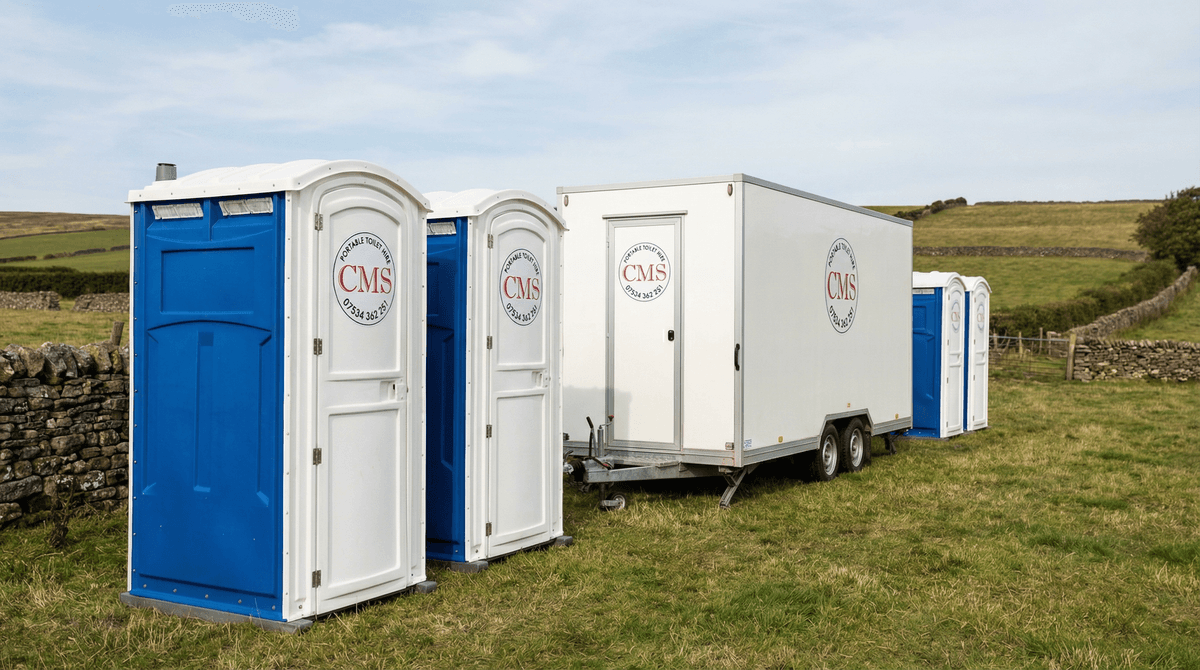
One of the recurring themes in the provision of temporary toilets is the issue of quantity and accessibility. Chelford Mobile Services tackles this head-on with a comprehensive fleet that includes everything from standard portable toilets to luxury trailers and accessible units. This diversity ensures that no matter the scale or nature of your event, their inventory can meet the British Standard BS 6465-1:2006 without breaking a sweat. Crucially, all units are owned outright by Chelford, meaning there are no faceless subcontractors or brokers to deal with—just a direct line to the people who actually manage your facilities.
In accessibility and inclusivity, Chelford Mobile Services takes its obligations seriously. Every accessible toilet is equipped to meet the mandates of the Equality Act 2010, ensuring that all attendees, regardless of ability, can participate in your event without hindrance. Their offering includes not only but also welfare units and shower trailers, all designed to accommodate diverse needs with ease.
When it comes to hygiene standards and maintenance, Chelford’s approach is refreshingly no-nonsense. Each hire includes weekly servicing, meticulously documented with service logs that provide a clear audit trail. This proactive maintenance strategy ensures that facilities remain operational and hygienic throughout your event, addressing one of the most common pitfalls identified by local authorities. By employing all drivers and service crews directly, Chelford maintains a level of accountability and consistency that subcontracted operations simply cannot match.
Waste management, another critical area scrutinised by councils, is handled with equal diligence. Chelford’s commitment to environmental responsibility is evident in their waste disposal practices, which comply fully with the Environmental Protection Act 1990. Their services include septic tank emptying, ensuring that waste is managed legally and responsibly, thus avoiding the costly repercussions of illegal dumping.
Engaging with local authorities can often feel like negotiating a bureaucratic minefield. However, Chelford Mobile Services’ hands-on operational model simplifies this process. Having worked extensively across their nine-county service area, they’ve developed strong relationships with local councils and a keen understanding of regional nuances. This experience translates into practical advice and support for obtaining necessary permits and ensuring all compliance boxes are ticked well before your event kicks off.
For those who appreciate transparency and direct communication, Chelford is a breath of fresh air. Their family-run ethos means you’re not just another client; you’re a partner in achieving a successful event. With no middlemen to contend with, the process from quote to delivery is straightforward and efficient. For a free quote, simply call 07534 362 251 or visit their contact page.
In conclusion, when you’re tasked with ensuring your event meets the exacting standards laid out by local authorities, Chelford Mobile Services stands as a reliable ally. Their comprehensive service offering, combined with an unwavering commitment to compliance and customer satisfaction, makes them an invaluable resource for anyone looking to sidestep the common pitfalls of temporary toilet provision. They understand the stakes, and they deliver—without drama, without delay, and with the kind of expertise that keeps your event out of the headlines for all the right reasons.