
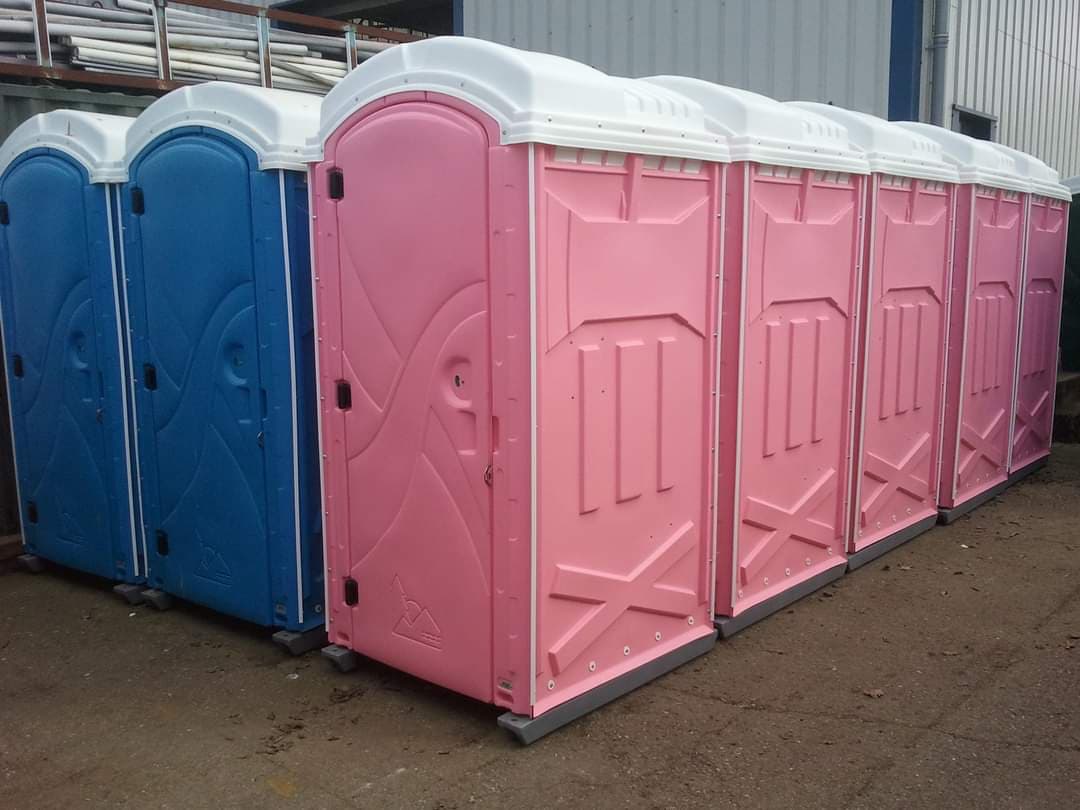
The Regulatory Context for Small Community Events
School fetes, village fairs, community fundraisers, and similar events occupy a particular regulatory space. They are often small in scale, run by volunteers, and organised with more enthusiasm than regulatory knowledge. That does not reduce the obligations — it simply makes non-compliance more likely.
The relevant legal frameworks include the Health and Safety at Work etc. Act 1974 (which applies even to volunteer-run events where members of the public are admitted), the Equality Act 2010, food hygiene legislation, and — where the event takes place on school premises — the safeguarding requirements that arise from working in a setting with children.
How Many Toilets?
For small community events not requiring a licence, there is no single statutory ratio that applies automatically. However, the starting point for any reasonable provision assessment is the guidance produced by local authorities and the Events Industry Forum (the Purple Guide).
For an event of a few hundred people lasting four to six hours, a working baseline might be:
- 1 standard unit per 75 female attendees
- 1 unit (supplemented by a urinal where practical) per 100 male attendees
- At least 1 accessible unit, irrespective of the overall numbers
At a school fete where children are the primary attendees, the ratio of female-designated or unisex provision may need to be higher than these figures suggest. Children, particularly younger children, need to use toilet facilities more frequently than adults, and the design of standard portable units may not be appropriate for very young users.
Safeguarding and Portable Toilets on School Sites
This is the issue that most organisers of school events do not consider until someone raises it, at which point it becomes urgent. Portable toilet units placed on a school site during a public event introduce a safeguarding concern that must be assessed.
The specific issue is visibility and supervision. A child entering a portable toilet unit is, by definition, temporarily out of sight of supervisory adults. At a public event open to members of the public, this exposure must be assessed and managed. Considerations include:
- Siting units in a well-lit, open area with good natural surveillance — not tucked behind a hedge or in a corner
- Ensuring that the area around the units is visible from nearby event activity
- Considering whether adults should accompany young children to the toilet area
- Ensuring that toilets are not accessed through areas that are not part of the main event footprint
- Briefing event stewards on safeguarding awareness near welfare facilities
The school's own safeguarding policy and, where applicable, guidance from the local safeguarding children's board should inform the event's safeguarding plan.
Accessible Provision and the Equality Act
Even at a small community event, the Equality Act 2010 applies. If a disabled person is likely to attend — and for most public events they are — accessible provision is required. A single accessible unit positioned on firm, level ground with clear signage will generally be adequate for smaller events, but organisers should assess the likely needs of their attendees.
For events held on school grounds, the school may already have accessible toilet facilities in the main building. Whether these can serve as the accessible provision during the event depends on whether they are genuinely accessible during the event period, at appropriate times, and without requiring a disabled person to navigate event infrastructure or staff to access them.
Food Hygiene and Handwashing
School fetes almost invariably include food — cake stalls, BBQs, teas and coffees. Environmental health officers regard handwashing provision as integral to food safety at public events. The Food Safety and Hygiene (England) Regulations 2013 require food business operators to maintain personal hygiene.
This creates a direct link between toilet provision and food hygiene compliance. Toilet units without adjacent handwashing facilities — or with handwashing facilities that lack soap and running water — put the event's food vendors in an awkward position and create an overall food safety risk that is difficult to defend.
Handwash stations — standalone units with water, soap, and drying provision — should be positioned adjacent to toilet units and separately near food preparation and serving areas.
The Landowner's and School's Position
Where the event takes place on school grounds, the school (or the trust or local authority that manages the school) may have specific requirements about what equipment can be brought on site, how it is positioned, and what happens to the site afterwards. These requirements should be established before booking welfare provision.
The school also retains health and safety responsibilities for events on its grounds. Even where a parent-teacher association or external organiser is running the event, the school is unlikely to be fully insulated from legal responsibility if something goes wrong on its premises.
Practical Checklist for Organisers
- Calculate expected attendance and estimate toilet provision required using the standard ratios as a starting point — adjust upward for events with high proportions of children
- Book at least one accessible unit
- Confirm siting in advance: units must be on firm, level, well-lit ground with good visibility
- Ensure handwashing facilities are provided alongside toilet units and near food stalls
- Assess safeguarding implications and brief stewards accordingly
- Check the school's or venue's requirements before finalising any arrangements
- Confirm servicing if the event runs for more than four hours
- Keep a record of what was provided and where
Small events are not exempt from welfare obligations. They are simply events at which the consequences of non-compliance tend to become apparent more quickly, because there is less margin for error.