
The Stark Realities of Emergency Sanitation
In the UK, the unpredictability of emergencies means local authorities must be prepared to set up rest centres and evacuation points at a moment's notice. While the focus might initially be on shelter and food, sanitation is an essential component that cannot be sidelined. The consequences of ignoring proper sanitation planning are dire, from public health risks to the deterioration of morale among evacuees. Authorities must lay out clear, actionable plans for sanitation facilities to ensure they meet basic human needs without fail.
Legal Obligations and Standards
Emergency sanitation planning isn’t a matter of preference; it’s a legal obligation. Under the Civil Contingencies Act 2004, Category 1 responders, including local authorities, must make necessary arrangements to deal with emergencies. This includes ensuring adequate sanitation facilities at evacuation points. Failure to comply can lead to legal repercussions and, more critically, compromise public health. Standards such as those outlined in the Public Health Act 1936 and the Health and Safety at Work etc. Act 1974 provide a framework, but local authorities must translate these into practical, on-the-ground solutions.
Assessing the Site: What to Consider
Choosing a location for a rest centre or evacuation point involves more than just finding an empty hall. The site must be capable of supporting adequate sanitation infrastructure. Factors to consider include:
- Space and Accessibility: Is there enough space for portable toilets and hand-washing stations? Are these areas accessible to everyone, including those with disabilities?
- Waste Management: How will waste be collected and disposed of? Does the site have the necessary connections to sewerage or other waste disposal systems?
- Water Supply: Is there a reliable source of clean water for drinking and sanitation purposes? Can additional water supplies be brought in if necessary?
These considerations must be addressed well in advance of any emergency, ensuring that when the time comes, the infrastructure can be deployed swiftly and efficiently.
Selecting the Right Equipment
The type of sanitation equipment required will vary depending on the size of the population and the duration of their stay. Portable toilets are a given, but the specifics matter. Considerations should include:
- Quantity: As a rule of thumb, one toilet per 20 people is recommended for short-term emergencies. This ratio should increase for longer stays.
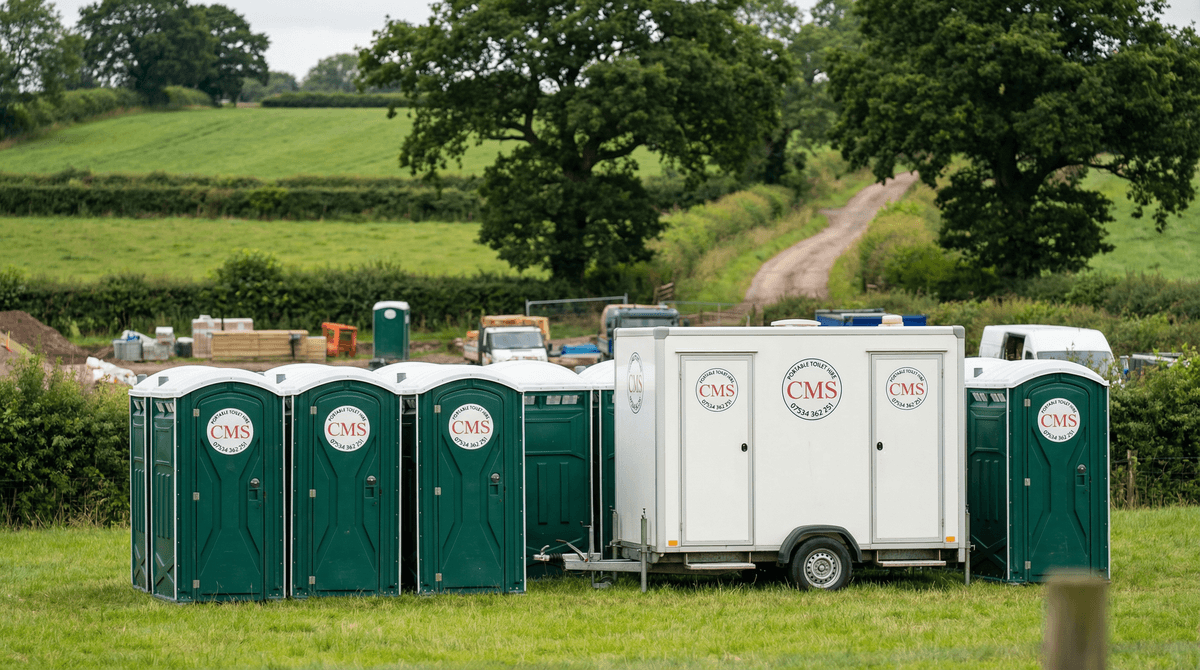
- Type: Standard portable toilets may suffice for most, but accessible units are essential for inclusivity. Consider luxury trailers for longer-term situations or where dignity is at risk.
- Additional Facilities: Don’t overlook hand-washing stations, portable urinals, or shower units, especially if the evacuation period extends beyond a few days.
Choosing the right mix of facilities is not just about meeting minimum requirements; it’s about ensuring comfort and dignity for everyone involved.
Maintenance and Servicing: A Non-Negotiable
Once sanitation facilities are in place, they require regular maintenance and servicing. This isn’t merely about cleanliness; it’s about preventing the spread of disease. Regular cleaning schedules must be adhered to, with waste removed promptly and facilities restocked with essentials like toilet paper, soap, and hand sanitiser.
- Frequency: For high-usage facilities, daily servicing is essential. In less crowded situations, every other day might suffice.
- Responsibility: Assign clear roles to staff for the upkeep of these facilities. This includes regular checks and a swift response to any issues.
Failure in this area can lead to catastrophic health problems, turning an already challenging situation into a public health crisis.
Communication and Coordination: The Backbone of Success
Effective sanitation planning requires seamless communication and coordination among various stakeholders. This includes local authorities, emergency services, sanitation suppliers, and the community. Key components of successful communication include:
- Pre-Planning: Detailed plans should be developed well in advance, with clear roles and responsibilities defined for each stakeholder.
- Real-Time Updates: During an emergency, maintain open lines of communication to address any emerging issues or changes in demand.
- Feedback Mechanisms: Implement systems for evacuees to report issues or needs, ensuring that problems can be addressed swiftly.
Communication isn’t just a box-ticking exercise; it’s the glue that holds the entire operation together.
Reviewing and Improving: Learning from Each Incident
No plan is perfect, and each emergency provides an opportunity to review and improve existing sanitation strategies. Post-incident reviews should be conducted to assess what worked and what didn’t. This involves:
- Data Collection: Gather quantitative data on facility usage, maintenance logs, and any reported issues.
- Stakeholder Interviews: Speak to staff and evacuees to gather qualitative feedback on their experiences.
- Action Plans: Develop actionable insights from the review process to refine and enhance future planning.
Improvement is an ongoing process, and learning from each incident ensures that future responses are more effective and efficient.
In conclusion, sanitation planning for emergency rest centres and evacuation points is a critical component of emergency preparedness. It requires a clear understanding of legal obligations, meticulous site assessment, strategic equipment selection, rigorous maintenance, effective communication, and a commitment to continuous improvement. When done correctly, it ensures that even in the most challenging circumstances, dignity and health are preserved.
How Chelford Mobile Services Can Help
When it comes to emergency sanitation planning for rest centres and evacuation points, Chelford Mobile Services stands as a reliable partner, grounded in operational expertise and a no-nonsense approach. With our family-run business based in Chelford, Cheshire, we are entrenched in the communities we serve across nine counties, from Cheshire to the West Midlands and North Wales. Our extensive regional coverage ensures that we can respond swiftly and efficiently, no matter where the need arises.
In emergency situations, the last thing you want is to be caught up in bureaucratic delays or logistical hiccups. That's why Chelford Mobile Services operates without subcontractors, brokers, or middlemen. Every unit in our fleet is owned by us, and every driver and service crew member is directly employed. This direct control over operations translates into seamless coordination and consistency in service delivery—exactly what’s needed when timing and reliability are crucial.
Meeting Legal and Practical Requirements
As highlighted, meeting legal obligations under the Civil Contingencies Act 2004 and ensuring compliance with public health standards is non-negotiable. With Chelford Mobile Services, you’re assured of sanitation solutions that adhere to these requirements. Our fleet comprises a wide range of units, from standard portable toilets to luxury trailers and accessible units, ensuring inclusivity and dignity for all. Whether you're expecting a short-term influx or a prolonged stay, we offer tailored solutions to meet your specific needs.
Our strategic approach begins with a meticulous site assessment, ensuring that chosen locations are equipped to support the necessary sanitation infrastructure. Our team can assist with evaluating space, accessibility, and logistical considerations such as waste management and water supply, making sure all bases are covered well ahead of any potential emergency deployment.
The Right Equipment, Right When You Need It
Having the right equipment is critical, and we offer a comprehensive selection to cater to varying population sizes and durations. From portable urinals to shower trailers and welfare units, we’ve got it covered. Our standard practice recommends one toilet per 20 people for short-term use, aligning with best practice guidelines, but we can adjust ratios based on specific circumstances.
The choice of equipment extends to luxury and accessible units, providing comfort and dignity even in the most trying situations. Our luxury trailers are particularly suited for longer-term stays, ensuring that evacuees maintain a semblance of normality amidst disruption.
Uncompromising Maintenance and Servicing
As we’ve established, maintenance is a critical component of sanitation planning. At Chelford, we include weekly servicing as a standard part of every hire. This is not merely a tick-box exercise; it is a documented process, complete with service logs that provide transparency and accountability. Our service crews are on the ground, ensuring regular cleaning, waste removal, and restocking of essentials such as toilet paper and sanitiser. We understand that in high-usage scenarios, daily checks may be required, and we have the flexibility to accommodate such demands.
Seamless Communication and Coordination
Clear communication and coordination are at the heart of successful emergency management. At Chelford Mobile Services, we pride ourselves on open and effective lines of communication with all stakeholders. Our pre-planning process involves detailed consultations to define roles and responsibilities, ensuring everyone knows what's expected. During an emergency, we maintain real-time updates, swiftly addressing any emerging issues. Our commitment extends to implementing feedback mechanisms, allowing for immediate resolution of on-ground challenges.
Commitment to Continuous Improvement
Finally, we understand that no system is flawless. Post-incident reviews are a standard practice at Chelford Mobile Services, enabling us to learn and improve continuously. We collect data and feedback to refine our strategies, ensuring that each response is more effective than the last. This commitment to improvement ensures that our services not only meet but exceed the expectations set out by legal standards and our own internal benchmarks.
In conclusion, Chelford Mobile Services is not just a provider of sanitation solutions; we are a partner in preparedness, offering operational clarity and peace of mind when it matters most. For a free quote or consultation, call us on 07534 362 251 or visit our contact page. In the world of emergency sanitation, where every detail counts, trust us to deliver without compromise.