
Location filming in the UK is a bustling affair, as anyone who's been involved in the industry will attest. While directors and producers may concern themselves with the artistic vision, the operational crew must grapple with more mundane, yet crucial, concerns—sanitation being a prime example. The significance of proper sanitation facilities on location cannot be overstated, given that they impact not only compliance with health and safety regulations but also the morale and efficiency of the crew.
Legal Obligations
First and foremost, legal compliance is non-negotiable. The Health and Safety at Work Act 1974 mandates employers to provide adequate welfare facilities. This includes access to clean toilets, washing facilities, and drinking water. The specifics are further detailed in the Workplace (Health, Safety and Welfare) Regulations 1992, which apply to film sets as much as any other workplace. Non-compliance could result in significant fines or even a shutdown of production.
Assessing Requirements
One size does not fit all. The number of facilities required depends on the size of the crew and the duration of the shoot. The British Film Commission suggests a minimum of one toilet per 15-20 people. However, the nature of the location can complicate matters. Filming in remote areas or heritage sites often necessitates a more creative approach to meeting these requirements.
Portable Toilet Options
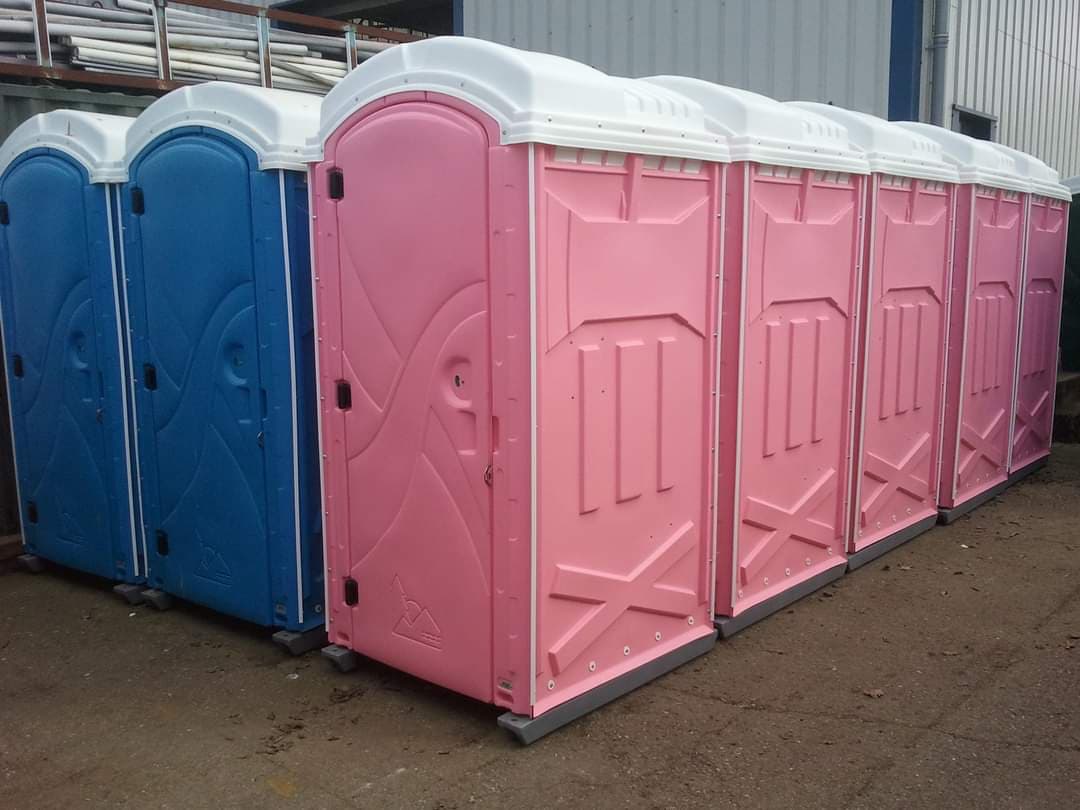
Portable toilets are the go-to solution for location filming. They range from the basic chemical loo to more sophisticated trailer units that resemble proper bathrooms. The choice largely hinges on budget and location constraints. For high-profile productions, VIP trailers with flushing toilets and running water might be justifiable. For smaller shoots, standard portable units will suffice.
Placement and Accessibility
Where you place these facilities is key. They must be easily accessible to the crew yet discreetly positioned away from the filming area. You don't want a port-a-loo cameo in your period drama. A flat, stable surface is essential to prevent toppling, and proximity to access roads is advisable for ease of servicing.
Servicing and Maintenance
Regular servicing is imperative to maintain hygiene and prevent unpleasant odours. Depending on use, this might be daily or every other day. The service provider should handle waste disposal in compliance with local environmental regulations. Always ensure you have a clear agreement on servicing frequency and emergency call-out procedures.
Environmental Considerations
Sustainability is increasingly important in all sectors, including film. Biodegradable chemicals in portable toilets and eco-friendly hand sanitizers are becoming standard. Some productions are opting for solar-powered units to further reduce their environmental footprint. It's not just about ticking boxes; a sustainable approach can enhance a production's reputation.
COVID-19 Protocols
The pandemic has added another layer of complexity to sanitation requirements. Enhanced cleaning protocols are now the norm, involving more frequent cleaning and sanitisation of facilities. Touch-free hand sanitiser dispensers and notices reminding crew to wash hands are standard. Crew size limitations may mean more facilities are needed to maintain social distancing.
Budgeting for Sanitation
Sanitation can often be overlooked in budgeting. Yet, skimping on this aspect can lead to greater costs down the line, be it through fines or the cost of an unhappy crew. Always allocate a realistic budget, considering the number of units, servicing frequency, and any additional features like handwashing stations or luxury trailers.
Conclusion
In the grand scheme of a film production, toilets might seem trivial. However, they are a critical component of location planning that ensures compliance and maintains crew welfare. Ignoring sanitation needs is a false economy that can lead to serious operational hiccups. As with any logistical aspect of film-making, forethought and investment in appropriate facilities will pay dividends, keeping the production running smoothly and the crew content. When it comes to location filming, never underestimate the power of a well-placed loo.