
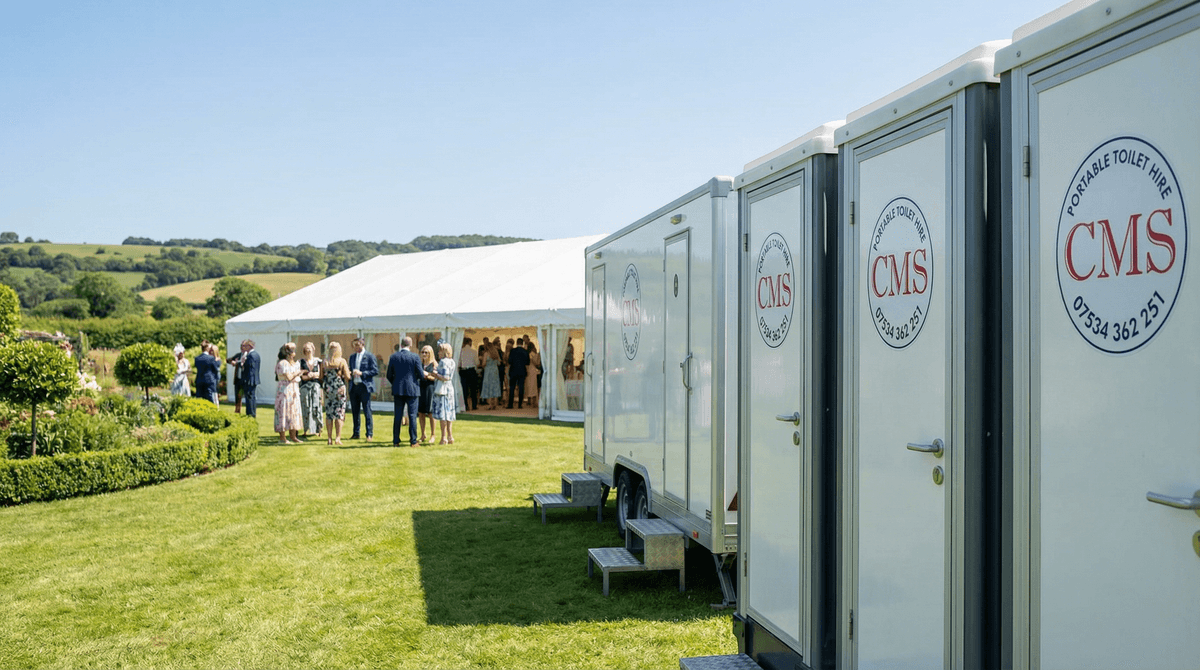
Portable Toilets for Allotments and Community Gardens
Allotments and community gardens rarely have mains drainage. Most have a standpipe for water and not much else. When plot holders, volunteers, and visitors spend hours outdoors — digging, planting, weeding — the lack of a toilet becomes a genuine problem. It discourages participation, creates hygiene issues, and limits how long people can comfortably stay.
Portable toilet hire solves this simply and affordably. Here is how it works in practice.
Why Allotments Need a Toilet
Accessibility and Inclusion
Many allotment holders are retired. Some have mobility issues. Asking people to walk home, find a nearby pub, or improvise behind a shed is not acceptable. A toilet on site makes the allotment usable for everyone, regardless of age or physical ability.
Encouraging Longer Visits
People leave early when there are no facilities. A toilet on site means plot holders can spend a full day without discomfort. For community gardens that host workshops, open days, or volunteer sessions, a toilet is essential for keeping people engaged.
Hygiene
Handling food crops with dirty hands after improvised arrangements is a genuine health risk. A toilet with hand sanitiser or a hand-wash station maintains basic hygiene standards.
Events and Open Days
Many allotment associations host seed swaps, open days, and community events. These attract visitors who are not allotment holders and who expect basic facilities. A portable toilet — or a pair of them — handles the requirement neatly.
What Type of Unit Do You Need?
Standard Chemical Toilet
The most common choice for allotments. A standalone unit requiring no mains connections. It includes a chemical flush, a lockable door, a toilet roll holder, and hand sanitiser.
Pros:
- Low cost — typically £40 to £60 per week on a rolling hire
- No plumbing or drainage required
- Delivered and collected by the hire company
- Weekly servicing included in most contracts
Cons:
- Basic facilities — functional rather than luxurious
- Requires vehicular access for delivery and servicing
Accessible Unit
If your allotment has members with disabilities — and many do — an accessible unit is strongly recommended. These are larger, with grab rails, a wider door, and a lower threshold for wheelchair access. The Equality Act 2010 applies to community organisations, so providing accessible facilities is both good practice and a legal consideration.
Welfare Unit
For allotments or community gardens with permanent staff or regular volunteer groups, a welfare unit combines a toilet, a hand-wash basin with hot water, a small kitchen area, and seating. These require a power supply (mains or generator) but provide a significantly better experience.
How Much Does It Cost?
Portable toilet hire is surprisingly affordable, especially on a long-term contract.
- Standard unit, weekly hire: £40 to £60 per week, including servicing
- Accessible unit, weekly hire: £55 to £80 per week, including servicing
- Delivery and collection: £50 to £100 depending on distance
- Event hire (weekend): £100 to £200 for a single unit including delivery and collection
For an allotment association with 30 to 50 members paying annual subscriptions, the cost of a portable toilet works out at a few pounds per member per year. It is one of the most cost-effective improvements you can make.
Positioning the Unit
Ground
Place the unit on firm, level ground. A concrete hardstanding is ideal but not essential — compacted gravel, a paving slab base, or even firm grass will work. Avoid soft soil that will become muddy in wet weather.
Access for Servicing
The servicing vehicle needs to reach the unit. Ensure the access route is suitable for a medium-sized commercial vehicle — check gate widths, turning space, and surface condition.
Location
Position the toilet where it is easy to find but not directly adjacent to growing areas. Near the main entrance or communal shed is usually sensible. Keep it at least 10 metres from any borehole or watercourse.
Privacy
Use existing hedging, fencing, or a simple screen to provide a degree of privacy. This is particularly important if the allotment is visible from a public path or road.
Security and Vandalism
Allotments can be targets for vandalism. Consider these precautions:
- Internal locking. All standard units have a bolt lock operated from inside. This prevents access only when the unit is occupied.
- External padlock. Ask your provider about units with an external hasp for a padlock. The allotment secretary can hold the key, or fit a combination lock that members know.
- Lighting. A solar-powered security light near the unit deters casual vandalism.
- Signage. A sign stating the unit is regularly serviced and monitored discourages misuse.
Funding and Grants
If cost is a concern, several funding sources can help:
- Parish and town councils often have small grants budgets for community facilities.
- The National Lottery Community Fund supports projects that improve community spaces.
- Local authority allotment budgets may cover welfare facilities on council-owned sites.
- Allotment association funds. A modest increase in annual subscriptions — even £5 per member — can cover the cost.
Write the funding application in practical terms: improved accessibility, increased participation, basic hygiene, and compliance with equalities legislation. These are compelling arguments for any funder.
Managing the Hire
Servicing Schedule
For a busy allotment with daily visitors, weekly servicing is the minimum. During peak growing season (April to September), fortnightly servicing may be insufficient. Discuss usage patterns with your provider and adjust the schedule accordingly.
Supplies
Keep a small stock of spare toilet rolls and hand sanitiser in the communal shed. Servicing includes restocking, but supplies can run low between visits.
Responsibility
Appoint a committee member as the point of contact for the hire company. This person reports problems, arranges access for servicing, and monitors the condition of the unit.
Seasonal Hire
Some allotment associations hire a portable toilet only during the main growing season (March to October) and discontinue it over winter when site usage drops. This reduces costs without significantly affecting provision.
Summary
A portable toilet on an allotment or community garden is a small investment with a large impact. It makes the site accessible, encourages longer and more frequent visits, maintains hygiene standards, and supports events. The cost is modest, the logistics are handled by the hire company, and the improvement to the allotment experience is immediate and obvious.